
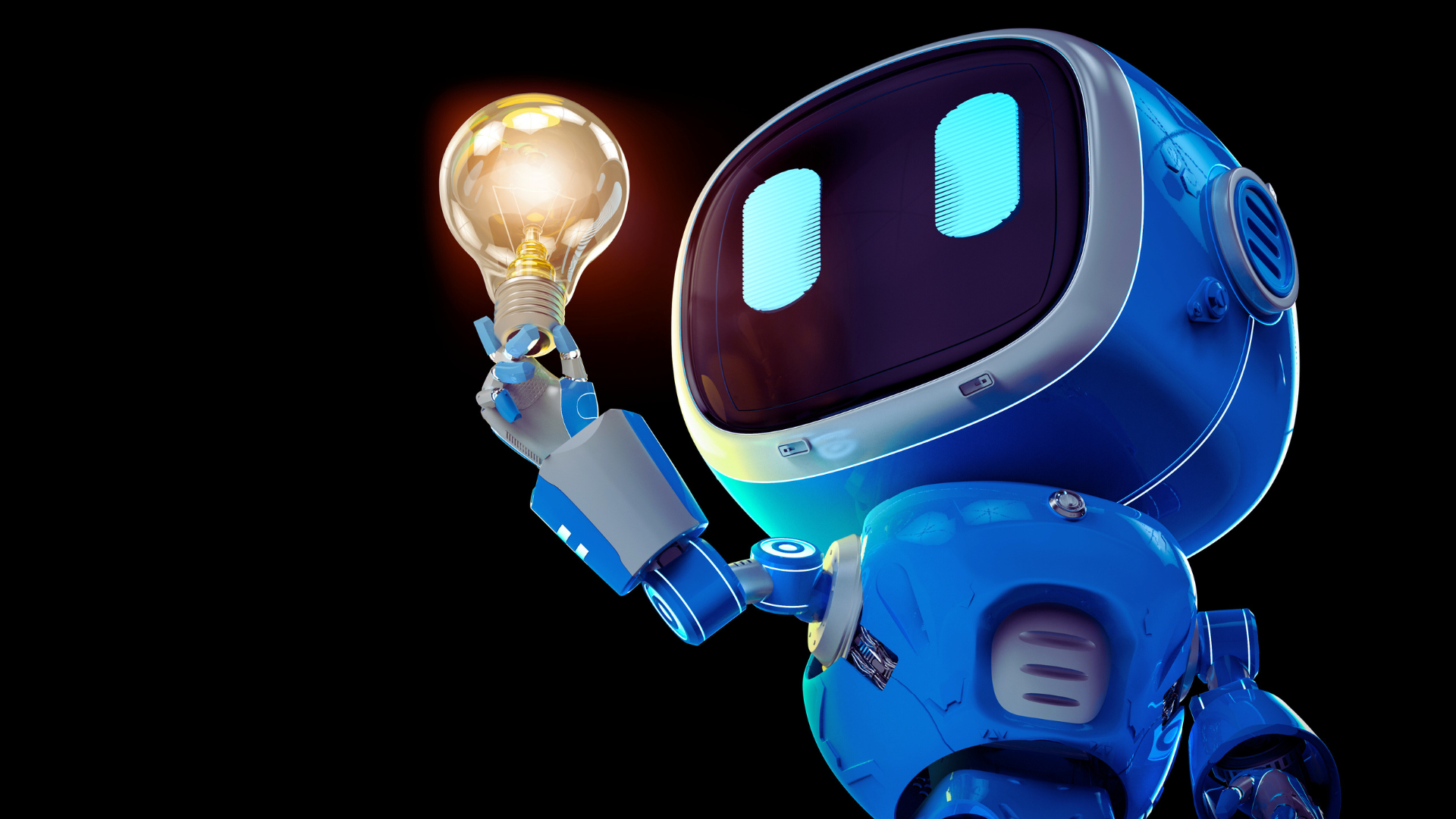
Robotics has undergone significant transformation since its inception, making strides in various industries and everyday life. The evolution of robotics showcases advancements in technology, from primitive machines to sophisticated artificial intelligence systems that perform complex tasks. This journey not only highlights technical progress but also reflects humanity’s growing relationship with machines.
Early robotics focused on automation, often limited to repetitive tasks in factories. As technology improved, robots became more versatile, incorporating sensors and machine learning, enabling them to adapt to different environments. This evolution has led to innovations such as autonomous vehicles and robotic assistants, reshaping how individuals interact with technology daily.
The current landscape of robotics illustrates a blend of engineering, computer science, and ethics. Innovations are driving discussions on the implications of robotics in society, raising questions about employment, safety, and human enhancement. As robotics continues to develop, it promises to influence various sectors, from healthcare to construction, providing opportunities and challenges alike.
Historical Milestones in Robotics
Key developments in robotics have defined its trajectory from early industrial applications to sophisticated autonomous systems. Significant achievements include the invention of the first industrial robot and advancements towards machines that can operate independently in various environments.
The Birth of Industrial Robots
The first industrial robot, Unimate, was introduced in the 1960s. Developed by George Devol and later marketed by General Motors, Unimate was designed for assembly line work, specifically for tasks like handling hot metal parts.
This robot marked a revolutionary shift in manufacturing, demonstrating that machines could increase efficiency and safety in industrial settings. By the late 1970s, Unimate was widely adopted, setting the stage for further developments in industrial automation.
Following Unimate, robots became vital in sectors such as automotive, electronics, and plastics, with advancements in programming and design expanding their capabilities.
Transition to Autonomous Systems
The 1970s and 1980s saw the emergence of autonomous robots, with a notable example being Shakey, developed at Stanford Research Institute. Shakey combined robotics with artificial intelligence, allowing it to navigate and understand its environment.
This innovation opened new avenues for mobile robots, fundamentally changing how machines interacted with the world. It laid the groundwork for future autonomous systems, enabling robots to perform complex tasks.
In recent years, companies like Boston Dynamics have pushed the envelope further. Their robots, such as Spot and Atlas, showcase advanced mobility and adaptability, capable of navigating diverse terrains and handling various tasks autonomously.
Core Technologies Driving Robotics
The advancements in robotics are significantly influenced by developments in artificial intelligence and improvements in sensors and actuators. These core technologies provide the foundation for creating more efficient, responsive, and versatile robotic systems.
Developments in Artificial Intelligence
Artificial intelligence (AI) plays a crucial role in robotics by enabling machines to perform complex tasks autonomously. Machine learning algorithms allow robots to learn from data, improving performance over time.
Key areas of AI in robotics include:
- Computer Vision: This technology enables robots to interpret visual information, making navigation and object recognition possible.
- Natural Language Processing: This allows human-robot interaction to be more intuitive through voice commands.
- Decision Making: AI enhances robots’ ability to make real-time decisions, adapting to new environments and tasks.
These advancements lead to robots that can operate in unpredictable situations, such as search and rescue or healthcare.
Advancements in Sensors and Actuators
Sensors and actuators are vital components in robotics, providing the necessary data and movement capabilities. Sensors detect changes in the environment, while actuators create physical movement.
Important sensor types include:
- Lidar: Used for mapping and navigation, providing precise distance measurements.
- Infrared Sensors: Allow for proximity detection, essential in mobile robotics.
Actuators can be classified as:
- Electric Motors: Commonly used for precise movement control.
- Hydraulic Systems: Provide powerful movement for heavy-duty robots.
These technologies work together to enhance a robot’s interaction with its surroundings, leading to greater efficiency and functionality in various applications.
Applications of Robotics in Various Sectors
Robotics has transformed multiple sectors, bringing efficiency and innovation. The integration of robots enhances productivity and safety across various applications.
Robotics in Manufacturing
Robotics plays a vital role in modern manufacturing by automating repetitive, high-precision tasks such as assembly, welding, painting, and material handling. In automotive factories, robotic systems assemble vehicle frames and components with consistent speed and accuracy, significantly reducing production time while maintaining strict quality standards. By integrating intelligent control systems and advanced programming, manufacturers achieve higher output, improved product consistency, and greater operational efficiency.
Manufacturers often need specialised metal parts to keep these automated lines in motion. These parts include items like custom shims and gaskets that fit into tight tolerances. Many companies get these components from experienced suppliers like https://amgindustries.com to make sure every piece meets exact specs. Having a reliable source for stampings and welded assemblies helps prevent delays in the factory. This support is important for industries like heavy truck and agriculture where equipment takes a lot of wear.
Just as reliable metal components are essential, industrial robots also depend on robust hydraulic and mechanical systems to handle heavy loads and operate safely in demanding environments. Hydraulic-driven arms, presses, and lifting mechanisms rely on precisely engineered components such as pumps, cylinders, filtration systems, and control units—including Hydraulic Valves that regulate pressure, flow, and direction. Properly specified components, custom hose assemblies, and ongoing maintenance support ensure stable performance and minimal downtime. Together, intelligent automation and dependable hydraulic infrastructure enhance worker safety, reduce risk in hazardous tasks, and enable factories to adapt quickly to changing production demands.
Robots in the Service Industry
The service industry has also embraced robots, enhancing customer experiences and operational efficiency. Robotic vacuum cleaners like Roomba are popular in households, automating cleaning tasks. In hospitality, robots serve food and assist guests, showcasing their potential in personal service.
Hotels and restaurants increasingly deploy robots for tasks such as check-in, room service, and cleaning. These applications allow human staff to focus on more complex responsibilities, improving service quality. The integration of robots in this sector is expected to grow, with innovation driving new applications and functionalities.
The Rise of Autonomous Machines
Autonomous machines are becoming prevalent in various fields, including agriculture and logistics. Drones exemplify this trend, being used for tasks such as crop monitoring, aerial photography, and package delivery. With advancements in AI and machine learning, these robots can navigate complex environments independently.
In logistics, autonomous vehicles are transforming supply chain management. Fully automated systems streamline inventory management and reduce transportation costs. Companies such as Olympus Technologies tend to contribute to this shift by developing advanced manufacturing automation systems that improve precision, efficiency, and operational reliability. This evolution reflects a broader trend towards increased autonomy in robotic applications, promising greater efficiency and innovation across sectors.
Emerging Trends and Future Prospects
The landscape of robotics is undergoing significant change, driven by advancements in technology and evolving societal needs. A focus on humanoid robots and the increasing role of robotics in innovative fields showcases the potential impact on daily life and various industries.
Humanoid Robots and Social Interaction
Humanoid robots are designed to mimic human appearance and behaviour. Their development includes features that enhance social interaction, such as improved speech recognition and emotional intelligence.
These advancements allow humanoid robots to assist in roles like caregiving, education, and customer service. For example, robots like Sophia have begun to engage with individuals on a social level, fostering companionship and expanding applications in mental health.
The effectiveness of these robots often depends on user acceptance and trust. Studies indicate that as humanoid robots become more relatable, their integration into everyday settings will increase. This trend suggests a future where social robots play significant roles in personal and professional environments.
Innovation and the Role of Robotics in New Frontiers
Innovation in robotics is not limited to humanoid forms. Autonomous machines are emerging in various sectors, including agriculture, healthcare, and logistics. These machines optimise processes, enhance productivity, and reduce human error.
Robotic advancements include the use of AI for decision-making and machine learning for operational efficiency. For instance, drone technology in agriculture assists with crop monitoring and management, highlighting the potential for enhanced yields.
As these technologies become more integrated, supporting infrastructure and reliable energy systems play a crucial role in ensuring smooth and uninterrupted operations. This includes a combination of electrical, mechanical, and fluid-power systems that help different automated tools function efficiently in real-world environments. In many industrial settings, this also extends to equipment such as the rotary screw air compressor, hydraulic units, and other power systems that support a wide range of automated machinery and processes alongside robotics.
Moreover, a collaboration between robots and humans, known as probiotics, is expanding. This approach leverages the strengths of both parties, leading to safer and more efficient work environments. The evolution of these technologies signals a promising future with increased reliance on robotics across multiple domains.