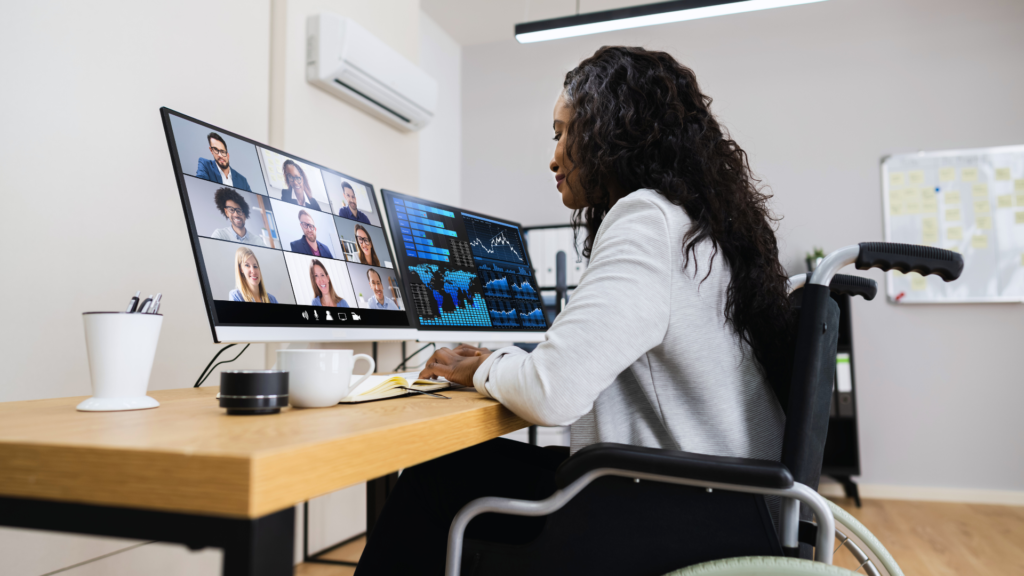

Video conferencing tools have become essential for remote work, online learning, and virtual meetings. Using these tools effectively involves choosing the right platform, setting up your equipment properly, and mastering basic functions like scheduling, muting, and screen sharing.
Most video conferencing applications share common features that make communication smooth and efficient once you understand their interface. Knowing how to adapt to these tools can save time and improve the quality of your virtual interactions.
This guide will walk through practical steps to start, manage, and troubleshoot video calls with confidence, helping anyone become more comfortable using video conferencing technology.
Getting Started with Video Conferencing Tools
Setting up successful video calls involves selecting suitable software, creating and managing accounts, and ensuring your equipment meets technical standards. Focusing on these aspects will provide a smooth and effective virtual communication experience.
Choosing the Right Video Conferencing Platform
Different platforms offer varied features, pricing, and user limits. Popular options like Zoom, Microsoft Teams, and Google Meet have strengths tailored for specific needs, such as large webinars or integrated collaboration tools.
Consider these factors when selecting a platform:
- User capacity: How many participants do you need per call?
- Security: Does the platform provide end-to-end encryption or waiting rooms?
- Integration: Can it connect with calendars or other business apps?
- Ease of use: Is the interface intuitive for all users?
Trial versions or free tiers can help test functionality before committing to a paid plan.
Account Setup and Configuration
Creating an account typically requires an email address and a password. Verify your email to activate the account and access full features.
After login, configure settings for audio, video, and notifications. Adjusting default preferences for meetings—like enabling passwords or setting up waiting rooms—helps control participation and improve security.
Updating your profile with clear identification, such as your full name and a profile picture, enhances professionalism. Also, explore scheduling and calendar sync options to organise meetings efficiently.
Understanding System Requirements
Video conferencing demands certain hardware and network capabilities to function well. Most platforms recommend a stable internet connection with at least 1.5 Mbps upload and download speeds for standard video quality.
Essential hardware includes:
- A webcam with at least 720p resolution
- A microphone or headset
- Speakers or headphones
Operating system compatibility is crucial; verify if your device supports the latest client versions for Windows, macOS, Linux, iOS, or Android. Checking for and installing updates regularly can prevent technical issues during calls.
Scheduling and Inviting Participants
Setting up meetings involves choosing the right time, defining participant roles, and providing clear joining instructions. Effective communication through invitations and reminders ensures everyone is informed. Calendar integration helps keep all appointments organised and accessible.
Creating and Managing Meetings
Begin by selecting the video conferencing platform’s scheduling feature. Input the meeting title, date, and duration. Specify if the meeting is recurring to save time.
Set participant roles, such as host, presenter, or attendee, to control access and permissions during the call. Enable options like waiting rooms or password protection to enhance security.
Review the meeting details before saving. Many tools generate a unique meeting link automatically, which is essential for participant access.
Sending Invitations and Reminders
Use the platform’s built-in invitation system or send manual invites through email. Invitations should include the meeting link, dial-in numbers, and a clear agenda if available.
Schedule reminders for participants 15 to 30 minutes before the meeting starts to reduce no-shows. Automated reminders help maintain attendance without extra effort.
Verify email addresses carefully to avoid delivery issues. You can also share meeting links via messaging apps or team channels for convenience.
Integrating with Calendars
Most video conferencing tools integrate with popular calendars like Google Calendar, Outlook, and Apple Calendar. Syncing meetings automatically adds them to participants’ schedules.
When scheduling, choose the calendar integration option to send invites directly from your calendar app. This allows easy updates if the meeting time changes.
Participants can RSVP through the calendar invite, making it easier to track attendance. Calendar integration also helps avoid double-booking by displaying availability during scheduling.
Joining and Hosting Video Conferences
Effective video conferencing requires knowing how to join meetings smoothly, handle hosting responsibilities, and control participant interactions. These skills ensure meetings run efficiently and with minimal disruptions.
Joining a Meeting
To join a video conference, you typically need a meeting link, ID, or invitation code. Most platforms like Zoom, Microsoft Teams, and Google Meet require users to enter these details after launching the app or web client.
Before joining, ensure your device’s camera and microphone are working. Test your audio and video settings in advance to avoid technical issues. If required, enter the correct password or waiting room passcode. Adjust your display name to help others identify you.
Joining on time is critical, especially for scheduled calls. Use a stable internet connection to maintain video and audio quality throughout the meeting.
Hosting as a Moderator
Hosting a video conference means setting up the meeting and managing it from start to finish. Begin by scheduling the event with a clear time, date, and agenda details. Send out invitations with all necessary links and access information.
As a host, you control key settings like muting participants, enabling screen sharing, and recording the session. Familiarise yourself with platform tools like breakout rooms or chat moderation.
Starting the meeting promptly and guiding the discussion helps keep the session productive. Hosts often begin by introducing the agenda and participants to set a professional tone.
Managing Participants
Managing participants efficiently minimises distractions and keeps the meeting focused. Use features such as muting all attendees when someone is speaking to reduce background noise.
Hosts can grant or restrict permissions like screen sharing and chat messaging. Monitoring participant behaviour and addressing issues quickly helps maintain order.
If needed, remove disruptive attendees or place them in waiting rooms. Encourage participants to use features like “raise hand” for orderly discussions. Clear communication and firm moderation ensure smoother meetings.
Essential Features and Functions
Video conferencing tools offer capabilities that enhance communication and collaboration. These include sharing content visually, capturing sessions for future reference, and interacting through text-based features during meetings. Mastering these functions improves efficiency and engagement.
Screen Sharing
Screen sharing allows participants to see another user’s screen in real time. It is essential for presenting slides, demonstrating software, or reviewing documents together remotely.
Most platforms let hosts or participants share their entire screen, a specific window, or an application. This flexibility helps focus attention while protecting private information.
Users can often annotate on the shared screen to highlight details. Controls usually include the ability to pause, stop sharing, or switch presenters smoothly.
Recording Meetings
Recording captures audio, video, and shared content during a session. This is valuable for attendees who cannot participate live or want to review the discussion later.
Recordings are typically saved locally or in the cloud, allowing easy access and sharing. Privacy settings and permissions determine who can record and view files.
Common formats include MP4 for videos and separate files for chat transcripts. Hosts should announce the recording at the start of meetings to comply with legal or organisational policies.
Utilizing Chat and Q&A
Chat features support written communication alongside video and audio. Participants can send messages publicly or privately, ask questions, and share links or files instantly.
Q& A modes separate questions from general chat, helping moderators manage inquiries in Webinars or large meetings. Attendees submit questions, which hosts answer selectively.
These tools maintain engagement and allow quieter participants to contribute. They also create a written log of interactions that can be saved for follow-ups or records.
Advanced Controls and Collaboration
Video conferencing platforms offer tools that enhance interaction and teamwork during meetings. These features include managing smaller groups, sharing documents directly, and customising the meeting environment for a professional appearance.
Breakout Rooms
Breakout rooms allow hosts to split large meetings into smaller, focused groups. This feature is useful for workshops, brainstorming sessions, or team discussions within a larger video call.
Hosts can assign participants manually or automatically. Participants can move between rooms only if the host allows it. The host can broadcast messages to all breakout rooms, keeping communication streamlined.
Timers can be set to automatically close breakout rooms and bring everyone back to the main session. This helps maintain schedule control during structured meetings or classes.
File Sharing
File sharing enables meeting participants to exchange documents, presentations, and images quickly. Most platforms support drag-and-drop uploads or file browsing within the meeting interface.
Supported file types vary but typically include PDFs, Word documents, Excel sheets, and common image formats. Uploaded files can be accessed by all participants during the call, facilitating real-time collaboration.
Some platforms offer integration with cloud storage services like Google Drive or Dropbox, allowing seamless access to shared files without leaving the meeting.
Virtual Backgrounds
Virtual backgrounds replace or blur the real environment behind a participant. This feature helps maintain privacy and creates a consistent, professional look.
Users can select from preset images or upload custom backgrounds. The effectiveness depends on the camera quality and lighting; a solid-colored backdrop improves results.
Virtual backgrounds can also reduce distractions caused by cluttered rooms or movement behind the speaker. Enabling this feature is usually found in the video settings of most conferencing tools.
Video Conferencing Etiquette and Best Practices
Clear audio and video setup, strong meeting security, and controlling potential disruptions are key to effective video conferences. Attention to these details ensures smooth communication and maintains professionalism during virtual meetings.
Audio and Video Guidelines
Use a quality microphone and test it before the meeting to avoid audio issues. Mute your microphone when not speaking to reduce background noise.
Position your camera at eye level and ensure adequate lighting for a clear image. A clean, neutral background helps maintain focus on you without distractions.
Dress appropriately as you would for an in-person meeting. Avoid multitasking or looking away from the camera, which can appear disengaged.
Ensuring Meeting Security
Always use meeting passwords or waiting rooms to control who joins the call. Share invitation links only with intended participants.
Keep your video conferencing software updated to protect against vulnerabilities. Use secure, private networks rather than public Wi-Fi to reduce hacking risks.
Be cautious with screen sharing; close unrelated tabs and documents beforehand. Manage participant permissions to prevent unauthorised content sharing or muting others without cause.
Minimizing Disruptions
Join the meeting a few minutes early to resolve technical issues before starting. Inform others in your space to avoid interruptions.
Limit movement during the meeting and avoid side conversations. Use chat functions to ask questions without interrupting the speaker.
If technical difficulties occur, communicate clearly and attempt to fix them quickly. Have a backup plan, like a phone call option, in case the video fails.
Troubleshooting Common Issues
Successful video conferencing requires stable connections, clear audio and video, and properly updated software. Addressing problems in these areas improves meeting quality and prevents interruptions.
Connectivity Challenges
Poor internet connection is the leading cause of disrupted video calls. Use a wired Ethernet connection for maximum stability, or ensure a strong Wi-Fi signal by minimising distance from the router.
If you experience lag or dropped calls, reduce background bandwidth use. Close unnecessary applications, pause downloads, or switch to a less congested network. Restarting the modem and router can also help.
Check your device’s network settings to ensure no VPNs or firewalls block the video conferencing app. Some networks require specific ports or settings; consult your IT department if issues persist.
Audio and Video Problems
Audio issues often stem from muted microphones, incorrect input/output device selection, or hardware faults. Verify your microphone and speakers are properly connected and selected within the app’s settings.
Background noise or echo can be reduced by using headphones and enabling noise suppression features in the software. Adjust volume levels to avoid distortion.
For video problems, confirm your camera is enabled and not blocked by privacy settings. Clean the lens and ensure adequate lighting. Switching to a lower resolution can improve performance on slower systems.
Software Updates and Support
Regularly update your video conferencing software to fix bugs and improve security. Most tools prompt for updates, but manual checks ensure you run the latest version.
Keep your operating system and device drivers current, especially for audio and video hardware. Outdated drivers often cause compatibility issues.
If persistent problems occur, consult official support resources such as FAQs, user forums, or customer service. Many platforms offer diagnostic tools to identify specific issues.
Optimising Your Video Conferencing Experience
To get the best results from video meetings, focus on clear audio, sharp video, and accessibility features. Proper hardware and settings adjustments play a critical role in maintaining professionalism and ease of communication.
Improving Audio and Video Quality
Good audio is crucial; use a quiet space and close background applications that consume bandwidth. Adjust the microphone sensitivity and speaker volume in the conferencing app settings for clarity.
Video quality depends on lighting and camera position. Use natural light when possible and position your camera at eye level. Close unnecessary programs to free up processing power, and ensure your internet speed meets minimum video call requirements (usually at least 1.5 Mbps upload/download).
If issues persist, lower the video resolution in settings to reduce lag. Regularly update your video conferencing software to benefit from performance improvements.
Using External Hardware
External microphones offer better sound quality compared to built-in mics by reducing ambient noise. USB or headset microphones are affordable and easy to use.
Webcams with higher resolution (1080p or more) provide clearer images, especially in low light. Consider models with autofocus and built-in light correction for consistent video.
Using headphones reduces echo and feedback. Wireless earbuds or wired headphones both work, but ensure battery life or cord length fits your setup.
A stable stand or tripod keeps your camera steady and at a proper angle, enhancing overall video appearance.
Accessibility Settings
Enable live captions or subtitles in platforms that support them to assist participants who are deaf or hard of hearing. This also benefits non-native speakers.
Adjust font sizes and screen contrast for easier reading during meetings. Many apps provide custom display options under accessibility or appearance settings.
Keyboard shortcuts improve navigation without reliance on the mouse. Learn key commands for muting, screen sharing, and leaving calls for smoother control.
Consider using sign language interpretation services or screen reader compatibility if needed. Many conferencing tools integrate well with assistive technologies.
Conclusion
Video conferencing tools have become essential for communication in many settings. Understanding key features and best practices ensures smoother and more productive meetings.
Choosing the right platform depends on your specific needs, such as participant numbers, security requirements, and integration with other tools. Regularly updating software and testing equipment before calls reduces interruptions.
Tips for effective video conferencing:
- Use a stable internet connection
- Mute when not speaking to minimise background noise
- Position your camera at eye level for better engagement
Mastering video conferencing takes practice but improves remote collaboration significantly. With focused preparation, these tools can enhance communication without unnecessary distractions.