
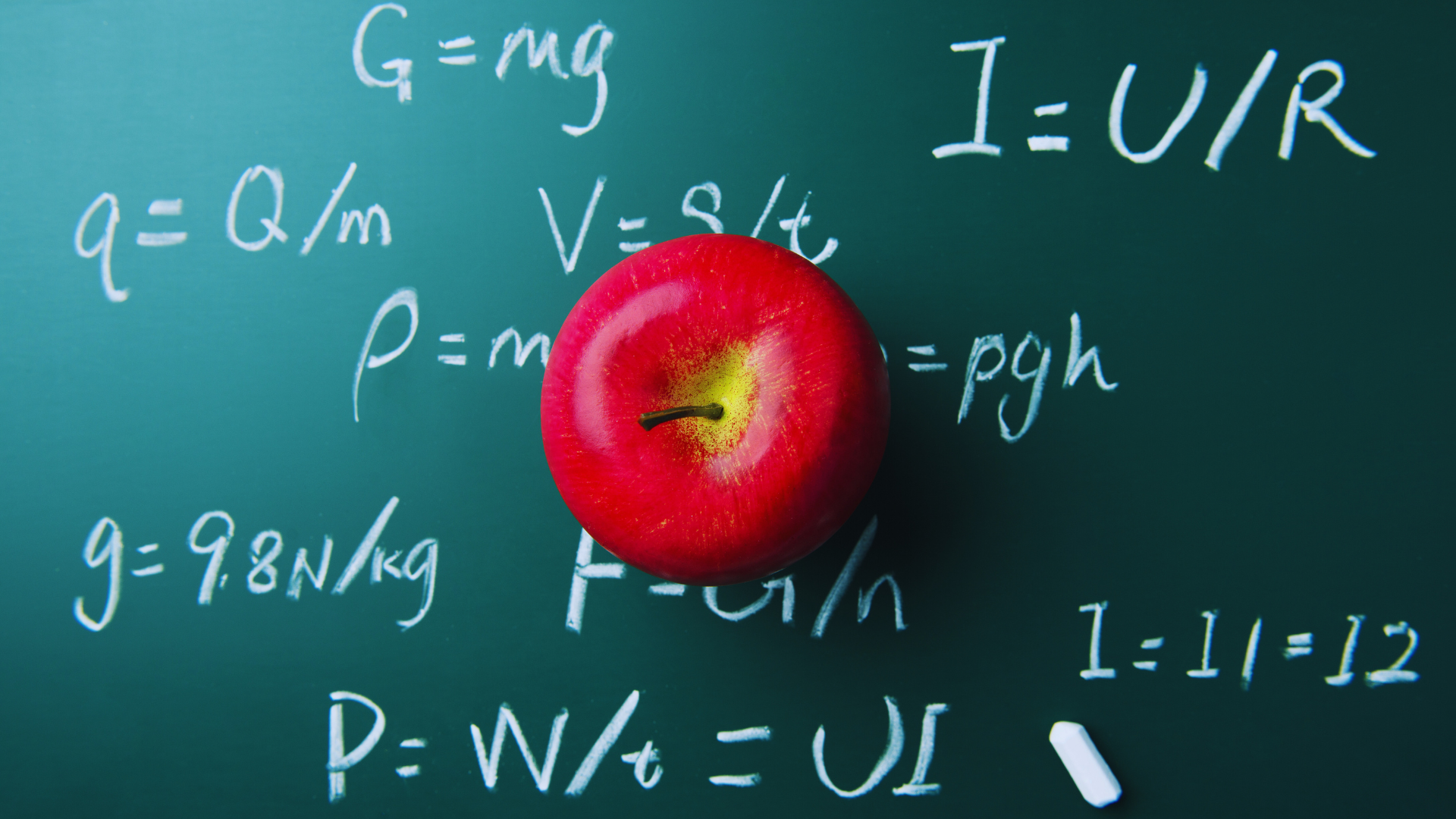
Physics plays a crucial role in shaping the way people live their daily lives, often in ways they might not consciously recognise. From the simple act of boiling water for tea to the complex movements involved in driving a car, the principles of physics are constantly at work, influencing everything around them. By examining these interactions, readers can gain a deeper appreciation for the forces that govern their everyday activities.
For instance, understanding concepts like gravity and friction can reveal why certain tasks are more efficient. Whether a person is navigating a crowded space or enjoying a leisurely stroll, the laws of physics come into play, making these actions smoother and more intuitive.
As readers explore this topic, they will uncover surprising insights that demonstrate how physics is intertwined with daily routines, enhancing their awareness of the scientific principles that underpin ordinary experiences. The exploration invites curiosity and offers a fresh perspective on familiar activities.
The Role of Physics in Daily Motion and Transportation
Physics fundamentally underpins many everyday activities, influencing how people move and how vehicles function. The principles of motion, energy, and forces shape experiences in walking, running, driving, and even playing sports.
The Physics of Walking and Running
Walking and running exemplify the principles of motion and kinetic energy. As an individual walks, they generate force through their legs, propelling the body forward.
Key Elements:
- Inertia: The body’s resistance to changes in motion explains why it is easier to move once momentum is established.
- Energy Efficiency: Running has different energy demands compared to walking, affecting endurance.
The biomechanics involved in these activities also depend on the angles at which limbs operate. Proper alignment maximises efficiency and minimises injury risk. The implications of gravity play a significant role, especially in running, where upward and downward motions influence momentum.
Driving a Car: Forces and Energy at Play
When driving a car, various forces come into play that determine acceleration, braking, and overall vehicle control. The engine converts fuel into mechanical energy, allowing the car to overcome inertia, while the brakes apply a force that counteracts motion.
Key Considerations:
- Acceleration: The rate of change of velocity needs to be controlled for safe driving.
- Collisions: Understanding momentum helps in designing cars and roads for safety.
Cars also rely on friction between tyres and road surfaces for handling and stopping. Engineers apply principles of physics to improve fuel efficiency and safety features, such as anti-lock braking systems (ABS), which prevent skidding and maintain control under braking.
Aerodynamics in Sports
In sports, aerodynamics plays a crucial role in performance. Athletes often seek to reduce drag, allowing for faster speeds. The shape and posture of athletes significantly influence the air resistance they encounter.
Key Factors:
- Momentum: Athletes aim to maintain momentum through efficient movements.
- Potential Energy: In activities such as pole vaulting, converting potential energy to kinetic energy is vital for success.
Sports equipment is also designed with aerodynamics in mind, from streamlined bicycles to footballs that cut through the wind. Understanding these principles allows athletes to optimise their techniques and improve performance.
Harnessing Energy: Appliances, Gadgets, and Technologies
The integration of physics into technology profoundly impacts everyday life. From energy-efficient appliances to gadgets that enhance convenience, the principles of physics facilitate innovation and sustainability.
Electronic Devices and Modern Convenience
Modern electronic devices like smartphones, tablets, and computers rely on sophisticated semiconductor technology. These components manage energy flow efficiently, ensuring devices function effectively while conserving battery life.
Key Features:
- Smartphones: Utilise energy-efficient processors and optimised software for longer usage.
- Computers: Employ power management settings to reduce energy consumption during idle times.
By incorporating advanced materials and innovative designs, manufacturers enhance thermal management, leading to devices that remain cool and responsive. This efficient energy harnessing contributes to the overall functionality of devices widely used in daily life.
The Science Behind Household Appliances
Household appliances harness energy through various physical principles. For example, microwave ovens apply electromagnetic radiation to excite water molecules in food, resulting in rapid cooking.
Refrigerators use a cycle of evaporation and condensation, relying on the principles of thermodynamics to maintain cool temperatures.
Common Appliances:
- Washing Machines: Use mechanical motion and thermal energy to clean clothes effectively.
- Cooling Systems: Employ principles of heat transfer to maintain comfortable indoor climates.
These appliances continue to evolve, integrating smart technology that optimises energy usage based on real-time needs, enhancing efficiency in modern homes.
Interactions of Light, Sound, and Heat in Everyday Life
The interplay of light, sound, and heat shapes numerous aspects of daily experiences. From how individuals perceive their surroundings to the functioning of household appliances, these interactions are integral to modern life.
Sound Waves and Acoustics in Daily Routine
Sound waves travel through the air, allowing for communication and the enjoyment of music. Acoustics plays a crucial role in environments like homes and offices, impacting speech clarity and comfort levels.
Headphones and earphones utilize specific sound wave properties to deliver audio directly to the listener. Speakers convert electrical signals into sound waves, facilitating music enjoyment and entertainment.
Alarm clocks rely on sound waves to wake individuals from sleep, demonstrating how sound can influence daily schedules. The study of acoustics informs the design of concert halls, ensuring optimal sound quality during performances.
Optics and Vision: More Than Meets the Eye
Optics governs how light interacts with different materials, influencing human vision. Lenses in cameras and glasses manipulate light to focus images sharply.
Sunlight acts as a primary source of illumination, affecting mood and productivity. Proper lighting in living spaces enhances vision and can define the atmosphere of a room.
The movement of light creates shadows, which can impact the perception of space and depth. Understanding optics also aids in digital media, helping adjust screen brightness and contrast for optimal viewing.
Heat Transfer in Cooking and Heating
Heat transfer is fundamental in cooking, whether through conduction, convection, or radiation. Stoves and ovens rely on these principles to prepare food efficiently.
For instance, ovens use radiant heat to cook meals evenly, while stovetops transfer heat directly through contact. Baking involves careful control of heat to achieve desired textures and flavours.
Heating systems in homes distribute warmth through air or water. Understanding heat transfer principles helps manage energy use, which can contribute to efforts addressing climate change. Cooling systems, such as refrigerators, also rely on effective heat removal to preserve food.