
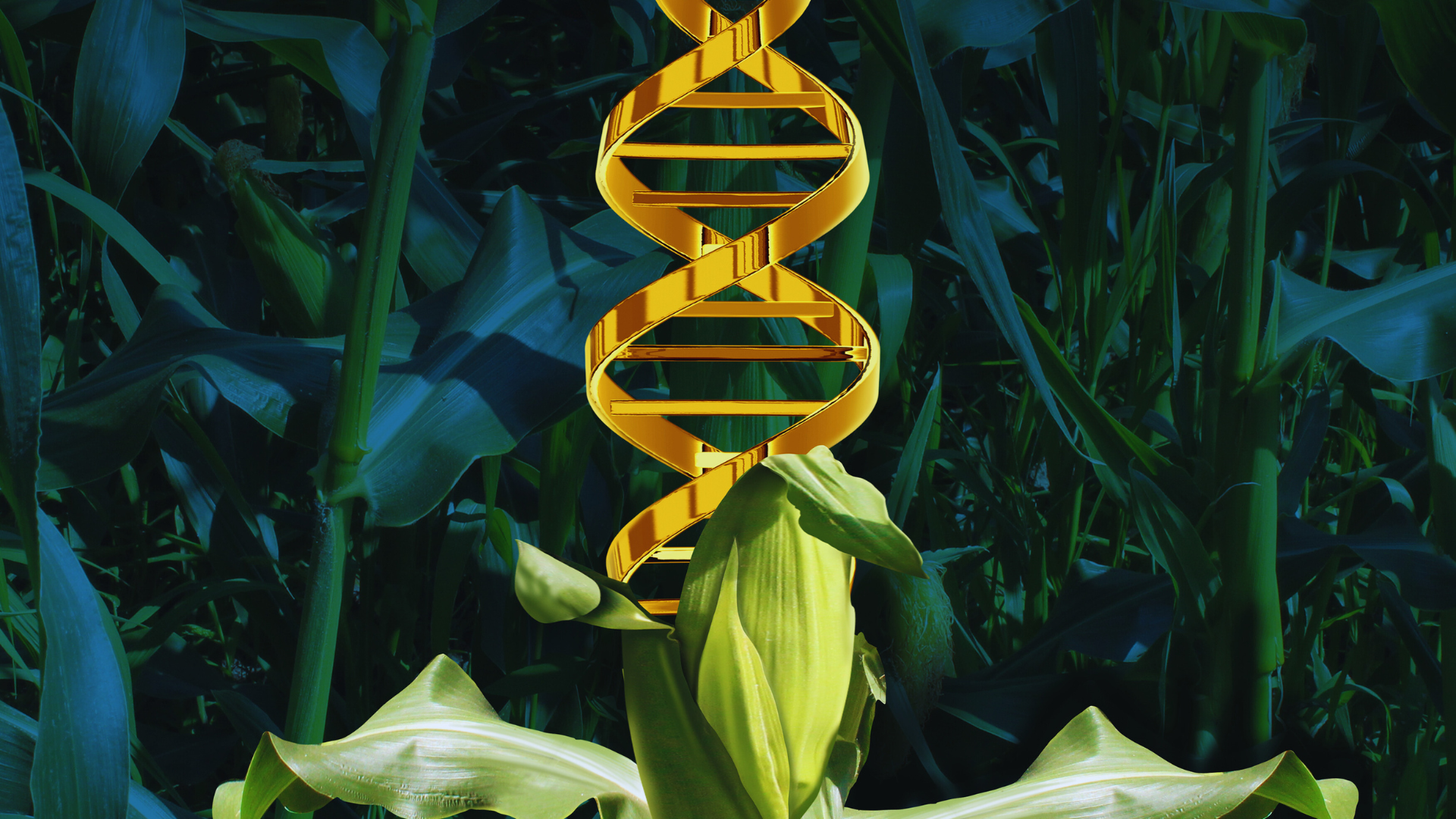
The role of genetically modified organisms (GMOs) in today’s food supply sparks considerable debate. Advocates claim that GMOs can enhance crop yields and resilience against pests, while detractors raise concerns about health risks and environmental impact. The truth about GMOs lies in the scientific consensus that they are safe to eat and offer potential benefits to agriculture.
Consumers often find themselves at a crossroads, faced with conflicting information. Misunderstandings about GMOs can lead to unnecessary fears. It is essential to separate fact from fiction to understand their implications for health and the environment.
This discussion not only covers the science behind GMOs but also delves into regulatory frameworks and the potential for future advancements. By examining the evidence, readers can gain clarity on why GMOs remain a vital part of the global food system.
The Science Behind GMOs
The science of genetically modified organisms (GMOs) relies on advanced techniques that reshape agricultural practices. This encompasses genetic engineering, the development of transgenic crops, and the integration of biotechnology into farming.
Genetic Engineering and Selective Breeding
Genetic engineering represents a precise method for altering an organism’s DNA. Unlike traditional selective breeding, which relies on natural fertilisation and chance, genetic engineering enables scientists to directly manipulate genes. This technique allows specific traits, like pest resistance or increased yield, to be introduced into plants.
Selective breeding has been practised for centuries, focusing on the natural variation in traits among organisms. Farmers select specific plants or animals to breed with desired characteristics, such as size or resilience. The advancements in genetic engineering, however, enable much faster progress and more targeted outcomes, effectively combining best practices from both methods.
Development of Transgenic Crops
Transgenic crops are those altered using genetic engineering to express specific traits. These traits may include resistance to pests, herbicides, or environmental conditions. For instance, Bt cotton has been modified to contain a gene from the Bacillus thuringiensis bacterium, granting it protection against certain pests.
The development process involves several steps, including gene identification, insertion into a plant’s genome, and rigorous testing for safety and efficacy. Regulatory authorities assess these crops before they are released into the market. This scrutiny ensures that transgenic crops meet health and environmental standards before widespread use.
Biotechnology in Agriculture
Biotechnology plays a vital role in modern agriculture, enhancing food production and sustainability. It leverages genetic engineering to create crops that require fewer resources, such as water and pesticides. This not only reduces environmental impact but also helps meet the growing global food demand efficiently.
Several techniques within biotechnology, including CRISPR and RNA interference, are used to modify crops. These methods allow for the precise alteration of genes, paving the way for improved resistance to diseases and changing climatic conditions. The application of biotechnology results in higher crop yields and contributes to a more resilient agricultural system.
Benefits and Applications of GMOs
GMOs offer various advantages that contribute to nutrition, sustainability, and food security. They demonstrate potential in addressing critical challenges such as vitamin deficiencies and ecological demands in farming.
Improving Nutrition and Food Security
Genetically modified organisms can significantly enhance nutritional content. Bioengineered foods often undergo alterations that increase their vitamins and minerals. For instance, crops can be modified to produce higher levels of essential nutrients.
Food security represents another critical application. By increasing crop yields and resilience, GM crops help farmers produce more food on the same land, which is vital as the global population grows. Enhanced productivity aids in reducing food shortages in vulnerable regions.
Sustainable Farming and Pest Resistance
Sustainable farming practices benefit from GMOs through their pest-resistant traits. Many genetically modified crops are engineered to withstand pests, reducing the need for chemical pesticides. This not only lowers agricultural costs but also minimises environmental impacts.
Additionally, certain GMOs can be designed to thrive in adverse conditions, such as drought or poor soil quality. These resilient crops contribute to more sustainable agricultural practices by allowing farmers to utilise marginal lands effectively.
Case Study: Golden Rice and Vitamin A Deficiency
Golden Rice serves as a prominent example of GMOs improving public health. This bioengineered crop is enriched with provitamin A (beta-carotene), addressing vitamin A deficiency, which affects millions globally.
Countries with high rates of deficiency can benefit from Golden Rice, which offers a dietary source of this essential nutrient. The introduction of such crops can lead to better health outcomes by combating malnutrition. This case highlights GMOs’ role in addressing specific nutritional needs through innovative agricultural practices.
GMOs and the Environment
The cultivation of genetically modified organisms (GMOs) such as soy, corn, and cotton has raised important questions about its environmental impact, specifically regarding biodiversity and the use of herbicides and pesticides.
The Impact on Biodiversity
The introduction of GMOs can have significant consequences on biodiversity. For instance, monoculture practices often associated with GMO crops like maize and soybean lead to reduced habitat diversity. This reduces the variety of plant and animal life in the ecosystem.
GMOs can also crossbreed with wild relatives, potentially creating hybrid species that may outcompete native plants. This can disrupt local ecosystems. Moreover, the reliance on a few genetically modified varieties can decrease genetic diversity within crops, making them more vulnerable to diseases and pests.
Herbicides and Pesticide Use
GMOs, particularly those engineered to be resistant to herbicides like glyphosate, have influenced pesticide use patterns. Crops such as canola and sugar beet are often designed to withstand these chemicals, leading to increased application rates of herbicides like Roundup.
This raises concerns about herbicide-resistant weeds emerging, necessitating the use of more potent chemicals. Consequently, this can impact soil health and water quality through runoff. Studies indicate that increased pesticide applications may also threaten non-target species, including beneficial insects and surrounding flora, creating a more complicated agricultural ecosystem.
Concerns and Regulations
The discussion surrounding GMOs often includes health implications and the debate on labelling practices. Both topics raise important questions regarding consumer safety and informed choice.
Health Implications and Allergenicity
Concerns about GMOs frequently focus on their potential health effects. Studies examining links between GMO consumption and cancer rates are ongoing, but definitive causal relationships remain elusive. The role of GMO crops in human health is complex; food safety assessments often evaluate whether GMOs may introduce new allergens.
Regulatory bodies like the Food and Drug Administration (FDA) and the European Food Safety Authority (EFSA) conduct evaluations to assess the allergenic potential of genetically modified products. They analyse proteins in GMOs that may trigger allergic reactions in susceptible individuals. Continuous monitoring and research are essential as new data emerges about the long-term effects of GMOs on human health.
The Debate Over GMO Labelling
The debate over labelling GMOs centres on consumer rights and informed choice. Advocates for mandatory labelling argue that consumers should know whether their food contains genetically modified ingredients. They often cite concerns about health implications, including allergies and potential carcinogenic properties of certain GMOs.
Opponents of mandatory labelling claim that GMOs have been thoroughly tested and are safe for consumption. They argue that labelling may mislead consumers, suggesting that GMO foods are inherently dangerous. In the UK, organisations like the Non-GMO Project promote transparency in food sourcing, encouraging producers to disclose GMO content. This debate continues to evolve, driven by public interest and emerging research.