
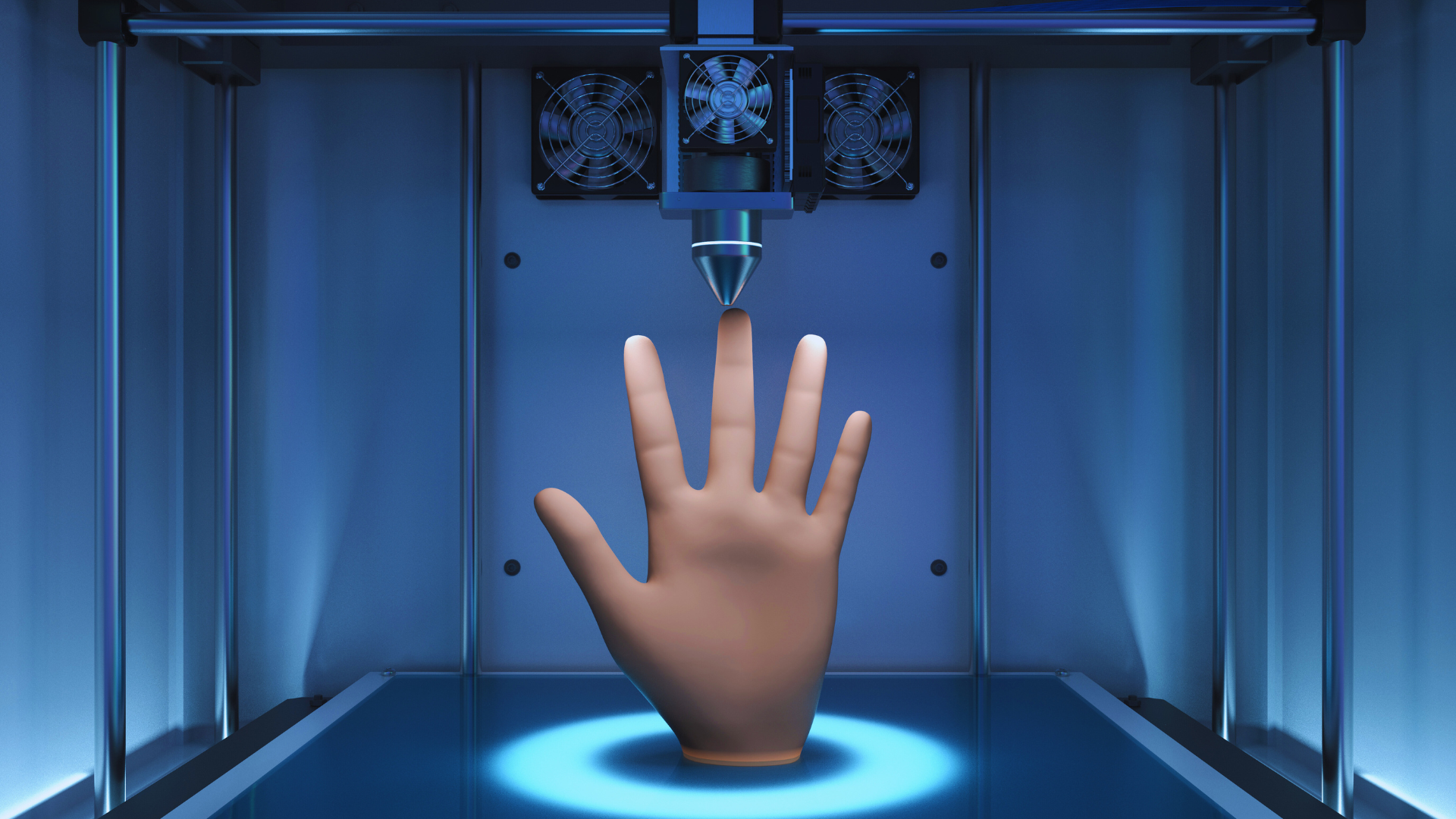
3D printing has emerged as a revolutionary technology in the medical field, transforming how healthcare professionals approach treatment and patient care. From custom prosthetics to advanced surgical tools, additive manufacturing allows for precise and tailored solutions that traditional methods often cannot achieve. The impact of 3D printing in medicine extends beyond mere convenience; it has the potential to enhance patient outcomes significantly and streamline healthcare processes.
As clinicians increasingly incorporate 3D printing into their practices, the technology is reshaping the landscape of medical treatments. Personalised implants and anatomical models crafted from patient-specific data not only improve surgical accuracy but also enhance pre-operative planning. Hospitals and research institutions are also utilising 3D printing to create complex biological structures, paving the way for innovations in tissue engineering and regenerative medicine.
The integration of 3D printing in healthcare is not merely a trend; it represents a fundamental shift towards more efficient, customised medical solutions. Professionals in the medical field are recognising its potential to reduce costs and improve the quality of care delivered to patients, demonstrating that this technology is here to stay.
Innovations in Patient-Specific Treatments
3D printing has revolutionised patient-specific treatments by enabling the creation of customised solutions tailored to individual anatomy and medical requirements. This technology enhances surgical planning, optimises prosthetics, and advances tissue engineering, leading to better patient outcomes.
Customised Prosthetics and Implants
Custom prosthetics and implants are among the most significant advancements made possible by 3D printing. Unlike traditional methods, which often involve one-size-fits-all solutions, this technology allows for the production of prosthetics that fit an individual’s unique anatomy.
Benefits include:
- Improved Comfort: Personalised designs reduce discomfort and enhance wearability.
- Tailored Functionality: Prosthetics can be customised for specific activities or needs, improving patient mobility.
Materials like biomaterials are commonly used, ensuring compatibility with the human body. This innovation leads to faster recovery times and greater satisfaction among users.
Anatomical Models for Surgical Planning
3D-printed anatomical models provide surgeons with accurate representations of a patient’s anatomy, which is crucial for surgical planning. These models are derived from imaging data, ensuring high fidelity to the patient’s actual structures.
Key advantages include:
- Enhanced Precision: Surgeons can practice complex procedures in advance, reducing error rates during actual surgeries.
- Improved Communication: Models facilitate better discussions between the surgical team and the patient, enhancing understanding of the procedure.
These patient-specific models lead to more informed decision-making and tailored surgical approaches, significantly impacting patient outcomes.
Regenerative Medicine and Tissue Engineering
In regenerative medicine, 3D printing plays a pivotal role in developing bioengineered tissues and organs. It allows for the creation of patient-specific models that can be used for research and therapeutic purposes.
Applications encompass:
- Biomaterial Development: Innovators are exploring various biomaterials to support cell growth and tissue integration.
- Scaffold Creation: 3D printing can produce scaffolds that guide tissue development and regeneration, helping in complex repairs.
This intersection of 3D printing and tissue engineering promises to advance personalised medicine, potentially reducing the need for donor organs and improving treatment efficacy.
Technological Advances in 3D Printing for Medicine
3D printing technology has evolved significantly, impacting the medical field through improved printing technologies, innovative materials, and the development of medical devices. These advancements are crucial for creating personalised solutions and enhancing patient outcomes.
Enhanced Printing Technologies
Recent advancements in printing methods include stereolithography (SLA), fused deposition modelling (FDM), and selective laser sintering (SLS). SLA uses ultraviolet light to cure liquid resin into solid forms, allowing for high-resolution and complex geometries.
FDM, a more common technique, employs thermoplastic filaments, offering durability and versatility. SLS works by melting powder materials with a laser, producing strong and functional parts. Each technology has unique advantages that contribute to more precise and efficient medical applications.
Materials and Biomaterials Innovation
The selection of materials for 3D printing in medicine has seen significant improvement, especially with the introduction of biocompatible materials. These materials ensure compatibility with human tissues, making them essential for implants and prosthetics.
Innovations such as hydrogel and bio-ink used in 3D bioprinting allow for the creation of tissue structures. These biomaterials can support cell growth and mimic the natural environment, increasing the potential for tissue engineering applications. Advancements in material science continue to expand the possibilities for safer and more effective medical solutions.
Medical Devices and Tools Development
3D printing has transformed the production of medical devices and surgical tools. Customised implants designed for specific patients can now be produced quickly, reducing surgical times and improving fit.
Additionally, the technology allows for rapid prototyping of surgical tools. This streamlining of the design process leads to enhanced functionalities tailored for specific procedures. 3D-printed devices have been shown to improve both effectiveness and efficiency in medical practices.
Impacts on Healthcare Systems and Providers
3D printing technology significantly influences healthcare systems and providers, enhancing cost-effectiveness, operational efficiency, and collaborative opportunities in medical research.
Cost-Effectiveness and Efficiency
3D printing reduces costs in healthcare settings by facilitating the production of customised medical devices and prosthetics on demand. Traditional manufacturing often involves high warehousing expenses and long lead times. Using additive manufacturing, hospitals can create tailored solutions, reducing inventory overhead and enhancing patient satisfaction.
Additionally, 3D printing optimises surgical outcomes by allowing precise preoperative planning. Surgeons can use 3D-printed models to simulate procedures, leading to better preparation and reduced operating times. This practice can lower the overall cost of surgical interventions by minimising complications and hospital stays.
Adoption in Hospitals and Clinics
The integration of 3D printing in hospitals and clinics is rapidly increasing. Many institutions are investing in in-house printing capabilities to enhance patient care. This adoption facilitates the creation of patient-specific implants and surgical instruments, aligning treatment more closely with individual anatomical needs.
Developing countries are particularly benefiting from this technology. With lower initial equipment costs, local healthcare providers can manufacture essential tools and devices, reducing dependence on expensive imports. This innovation contributes to improved healthcare delivery, even in resource-limited settings.
Collaborations in Medical Research
Collaboration in medical research is gaining momentum through 3D printing initiatives. Universities, hospitals, and technology firms are partnering to explore new applications in tissue engineering and drug delivery. These collaborations enable shared resources and expertise, accelerating the development of innovative therapies.
In addition, 3D bioprinting is emerging as a focal point for research teams striving to replicate human tissues. This has the potential to transform transplantation and regenerative medicine by creating tissue suitable for implantation. Such partnerships are critical in driving advancements that benefit both scientific communities and patient care.
Ethical Considerations and Future Directions
The integration of 3D printing into medicine brings forth ethical challenges and considerations regarding responsible use, patient trust, and sustainability. This section explores the implications for innovation and the balance between technological advancement and ethical responsibility.
Responsible Innovation and Application
As 3D printing technologies evolve, ensuring responsible innovation is crucial. Medical professionals must consider the ethical implications of creating customised implants and organ structures. Issues such as patient safety, long-term effects, and regulatory standards must be addressed.
Key questions arise regarding intellectual property rights in bio-printed organs and the potential for equitable access to these technologies. The medical community needs to establish guidelines that govern the responsible use of these innovations, ensuring they are available to all patients without compromising ethical principles.
Patient Perspectives and Public Trust
Patient perspectives significantly shape the acceptance and trust in 3D-printed medical solutions. Transparency about the processes involved in 3D printing, especially for complex items like orthotics and prosthetics, is vital. Patients must be informed about the benefits and risks associated with these technologies.
Public trust in 3D printing increases when patients see the tangible benefits, such as reduced recovery times and enhanced comfort. Engaging patients in the decision-making process fosters a sense of ownership and encourages open dialogues about their expectations and concerns.
Sustainability and Environmental Impact
Sustainability is an emerging focus in the discussion of 3D printing in healthcare. The production of medical devices can contribute to environmental waste, posing challenges to sustainability practices in the industry. The disposal of materials used in 3D printing must be managed carefully to minimise environmental impacts.
Innovations in bio-compatible materials and recycling processes can enhance the sustainability of 3D printing. Prioritising eco-friendly practices not only addresses environmental concerns but also aligns with broader public health goals. Continuous improvement in these areas is essential to mitigate the ecological footprint of medical technology advancements.