
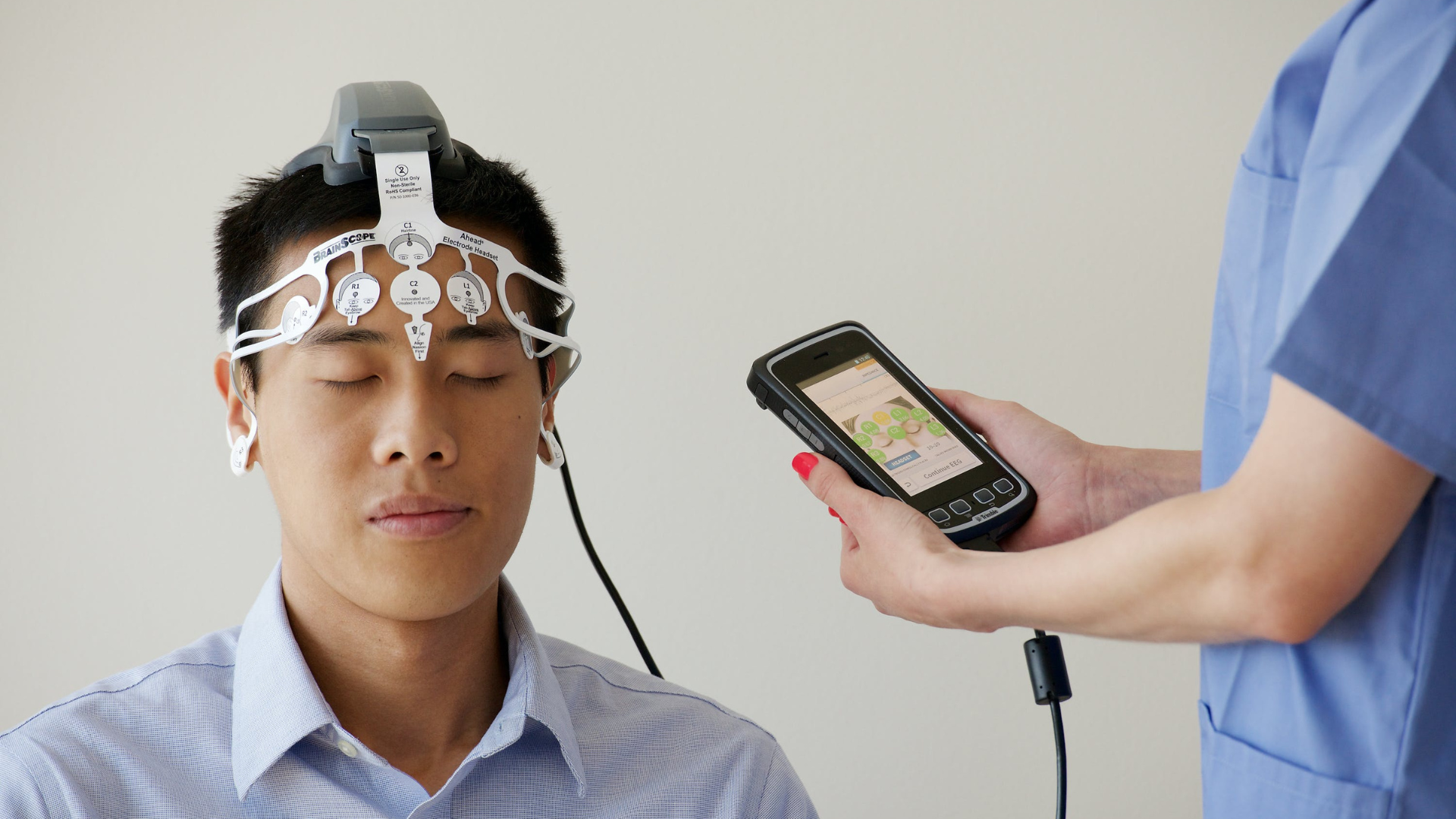
Brain-computer interfaces (BCIs) represent a significant leap forward in the field of communication technology. These innovative devices have the potential to transform how individuals convey thoughts and emotions, bypassing traditional speech and writing methods. By connecting the human brain directly to external devices, BCIs could allow for instantaneous communication, fundamentally altering interpersonal interactions.
As BCIs develop, they may facilitate communication for individuals with speech impairments, offering them a voice through technological means. This advancement could enhance not only personal relationships but also larger societal interactions, fostering a more inclusive environment. The implications of such innovation extend beyond healthcare, touching on education, entertainment, and even productivity in professional settings.
With the rapid pace of advancements in neuroscience and technology, the prospect of BCIs changing communication is increasingly plausible. As society becomes more receptive to these solutions, embracing such transformative ideas could redefine the essence of how people connect with one another.
The Science Behind Brain-Computer Interfaces
Brain-computer interfaces (BCIs) rely on the intricate relationship between brain activity and technology. They harness neural signals, enabling communication between the brain and external devices. This section explores the fundamental science driving BCIs, including how brain activity is measured, the technologies used, and the role of machine learning in interpreting signals.
Understanding Brain Activity and Signals
Neuroscience examines brain activity through various methods to understand how signals are generated. Brain signals, including electrical activity, can be recorded using electroencephalography (EEG) and magnetic resonance imaging (MRI). EEG captures the brain’s electrical impulses through electrodes placed on the scalp.
MRI, on the other hand, provides spatial details of brain activity via blood flow changes. Each method offers unique insights into brain function. Researchers study specific brain waves, like alpha and beta waves, to identify patterns correlating with cognitive states. This understanding is vital for developing effective BCIs that rely on accurate signal interpretation.
Technologies Behind Non-Invasive and Invasive BCIs
BCIs can be classified as non-invasive or invasive, depending on the method used to acquire brain signals. Non-invasive BCIs utilise external sensors, such as EEG caps, making them user-friendly and safe. They allow for signal acquisition without surgical procedures.
Invasive BCIs involve implanting electrodes directly into the brain tissue, providing high-resolution signals. While they offer greater detail for research and applications, they pose higher risks. Both technologies require advanced signal-processing techniques for effective communication. These techniques include classification and feature extraction to interpret complex neural signals accurately.
The Role of Machine Learning and AI in BCIs
Machine learning and artificial intelligence play crucial roles in BCI technology. They analyse vast amounts of data generated from brain signals, helping to improve communication accuracy. Deep learning algorithms learn to identify patterns within the data, enhancing the classification of brain activity.
These techniques can adapt to individual differences in brain signals, making BCIs more personalised. By employing advanced processing methods, AI aids in translating neural signals into actionable commands for external devices. This synergy between neuroscience and technology is pivotal in advancing BCI capabilities and potential applications in communication.
The Impact of BCIs on Communication and Interaction
Brain-computer interfaces (BCIs) are poised to transform communication by enhancing both verbal and non-verbal interactions, facilitating thought-based exchanges, and fostering collaboration in immersive environments. These advancements offer new ways for individuals to connect and share information directly through their mental states.
Enhancing Verbal and Non-Verbal Communication
BCIs can significantly improve traditional verbal communication. By recognising neural patterns associated with speech production, these devices enable users to translate thoughts into spoken words with minimal delay.
Non-verbal cues like gestures and facial expressions can also be enhanced. For example, BCIs can pick up on brain signals related to emotional responses. This allows for a richer interplay of communication, where emotions are conveyed more accurately through devices.
The Emergence of Telepathy and Thought-Based Interaction
The concept of telepathy, or direct brain-to-brain communication, becomes feasible with BCI technology. These interfaces could allow individuals to exchange thoughts instantly, bypassing conventional linguistic barriers.
Such interactions may operate on shared neural codes, where the sender’s brain activity is translated into comprehensible signals for the receiver. This shift could revolutionise how people understand each other, making communication more intuitive and immediate.
Collaboration in Virtual and Augmented Reality
BCIs enhance collaborative experiences in virtual and augmented reality (VR and AR). Users can synchronise their thoughts and actions more seamlessly in immersive environments.
In a VR setting, BCIs can enable real-time cooperation on tasks, where each participant’s mental states guide group activities. This fosters creativity and efficiency, as ideas can be shared without delay.
Additionally, augmented reality applications can overlay information relevant to the user’s thoughts, allowing for context-aware interactions. This makes working together in both physical and digital spaces more dynamic and effective.
Applications and Ethical Considerations of BCIs
Brain-computer interfaces (BCIs) present significant potential across various sectors, particularly in healthcare, security, and entertainment. Alongside these advancements lie complex ethical considerations regarding mind control, privacy, and the implications of brain hacking.
BCIs in Healthcare and Accessibility
BCIs are increasingly pivotal in healthcare, particularly for individuals with neurological disorders. They facilitate communication for those with severe speech impairments, allowing users to transmit thoughts directly to devices.
In addition to communication, BCIs enhance control over prosthetic limbs. Patients can operate prosthetics as naturally as biological limbs through thought—bridging the gap between intention and action.
This technology also opens doors for educational applications. Students with disabilities can engage more fully in learning environments, improving accessibility and participation.
The Rise of BCIs in Security, Privacy, and Entertainment
BCIs are becoming valuable in security settings, providing advanced authentication methods. Neuroauthentication, which verifies identity-based on brain activity patterns, could offer robust protection against unauthorised access.
In entertainment, BCIs allow for immersive experiences, transforming how individuals interact with media. Users can influence games or virtual environments using brain signals, enabling novel forms of storytelling and engagement.
However, with these advancements comes concern over privacy. Intercepting brain data could lead to misuse, exposing users to risks such as hacking or manipulation.
Addressing the Ethical Implications of Mind Control and Privacy
The prospect of mind control raises considerable ethical questions. The ability to influence thoughts or behaviours through BCIs could infringe on personal autonomy. Safeguards must be established to ensure users’ consent is always prioritised.
Furthermore, the potential for brain hacking presents a serious dilemma. If individuals’ mental states can be accessed or altered by others, it raises issues around security and governance.
Regulatory frameworks are essential to address these challenges, ensuring the ethical development and deployment of BCI technology. Engaging diverse stakeholders will be crucial in formulating these guidelines.