
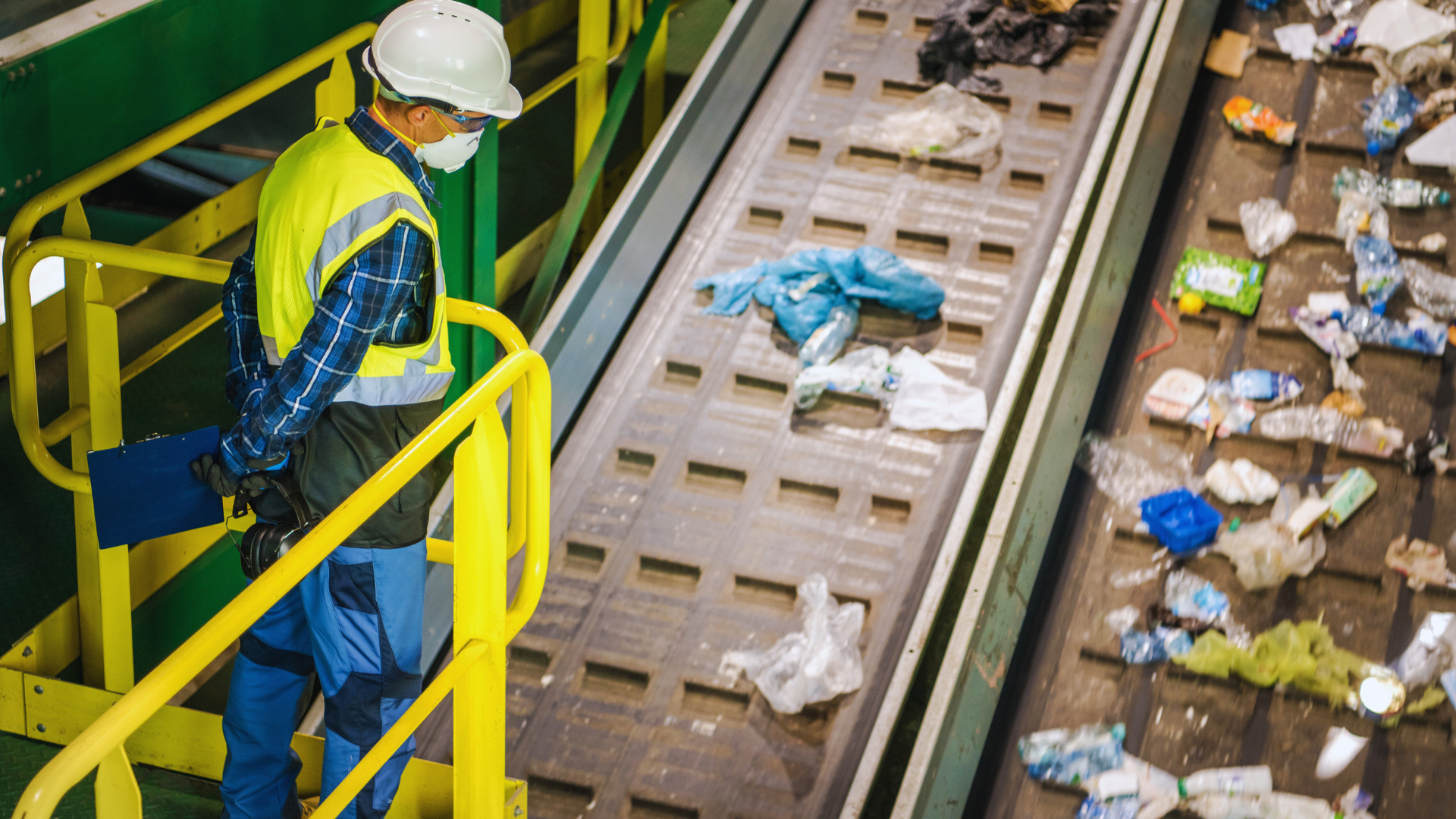
Plastic waste presents a pressing environmental challenge, with millions of tonnes ending in landfills and oceans each year. Traditional recycling methods often fall short, leading to the need for innovative strategies that promote sustainability. Biotech solutions are emerging as a promising avenue to transform plastic waste into valuable resources, aligning with the principles of a circular economy.
The utilisation of biological processes to break down plastics is at the forefront of this movement. By harnessing microbes and enzymes, researchers are developing methods to efficiently degrade plastics into their foundational components, enabling their conversion into new materials. This approach not only addresses the plastic waste crisis but also fosters a more sustainable cycle of production and consumption.
As the world grapples with the consequences of plastic pollution, biotech offers not just a remedy, but a pathway to a greener future. Embracing these innovative solutions can facilitate significant progress towards reducing plastic waste and enhancing environmental resilience.
Understanding Plastic Pollution and Its Challenges
Plastic pollution poses significant environmental challenges due to its widespread presence and lasting effects. Various types of plastics have distinct impacts, while the emergence of microplastics further complicates the situation. Bioplastics offer a potential solution for waste management, highlighting the need for innovative approaches.
Types of Plastics and Their Impact on the Environment
Plastics can be categorised as either single-use or reusable, each contributing differently to pollution. Single-use plastics, such as bags and straws, are designed for brief consumption and often end up in landfills or oceans.
Reusable plastics, although intended for longer life cycles, still result in waste when discarded. Common types include PET, PVC, and polystyrene, each with varying degrees of biodegradability and environmental impact.
The production and disposal of traditional plastics are responsible for significant greenhouse gas emissions, air pollution, and disturbances to wildlife. Transitioning to more sustainable plastic alternatives is critical to addressing these environmental detriments.
Emergence of Microplastics
Microplastics are tiny plastic particles that arise from the degradation of larger plastic items or are manufactured at that size. They pose serious threats to ecosystems and human health.
These particles can enter waterways, accumulate in marine life, and eventually reach food chains. Research indicates that microplastics can also be present in drinking water and air, increasing potential exposure.
The ubiquity of microplastics complicates waste management strategies, as they are often invisible and difficult to remove from environments. Their persistence poses significant long-term sustainability issues.
The Role of Bioplastics in Waste Management
Bioplastics are designed to offer a more sustainable alternative to traditional plastics. Derived from renewable sources, such as corn or sugarcane, they can be biodegradable or compostable.
The potential for bioplastics to reduce plastic pollution lies in their ability to break down in natural environments effectively. Unlike conventional plastics, biodegradability can help mitigate the accumulation of waste.
Despite their advantages, bioplastics still face challenges, including production costs and the need for appropriate disposal methods. As bioplastic technology advances, it may play a vital role in reducing environmental impacts associated with plastic waste.
Biotechnological Approaches to Plastic Waste
Biotechnology offers innovative solutions to the growing problem of plastic waste. Key areas of focus include the research into biodegradation processes, the utilisation of microorganisms, and the enzymatic degradation of plastics.
Biodegradation and Biodegradability Research
Biodegradation is a natural process where microorganisms break down materials into simpler, non-toxic compounds. Research in this area is critical for developing biodegradable plastics that can decompose more easily in the environment.
Studies have identified specific conditions that accelerate biodegradation. Factors such as temperature, humidity, and the presence of microbial communities significantly influence the rate at which plastic materials degrade. For example, certain biodegradable plastics, designed from renewable sources, are engineered to disintegrate within specific timeframes under ideal conditions.
The Potential of Microorganisms
Microorganisms play a vital role in breaking down plastics. Specific bacteria and fungi have shown remarkable abilities to metabolise plastic polymers. For instance, Ideonella sakaiensis is a bacterium that can consume polyethylene terephthalate (PET) as its primary carbon source.
Research has also explored optimising conditions for the growth of these microorganisms. By enhancing their metabolic pathways, scientists aim to increase the efficiency of plastic degradation. Strategies such as genetic engineering can allow for the development of enhanced strains capable of breaking down plastics more rapidly.
Enzymatic Degradation of Plastics
Enzymatic degradation involves using specific enzymes to catalyse the breakdown of plastic polymers. Key enzymes like PETase and MHETase are critical in the degradation of PET, a common plastic used in bottles and packaging.
Studies have shown that PETase can convert PET into its monomers, which can be further degraded by MHETase. This dual action can lead to a more efficient recycling process, significantly reducing plastic waste. Research continues into the potential applications of these enzymes in commercial settings, aiming for large-scale implementation in waste management systems.
Innovative Solutions and Sustainable Practices
The emergence of biotech solutions provides a promising pathway to address plastic waste. By integrating innovative techniques with sustainable practices, the potential for recycling and repurposing plastics is significantly enhanced. This section examines various strategies, including the comparison between chemical and biological processing, the advancements in metabolic engineering, and sustainable options for the packaging industry.
Chemical Versus Biological Processing
Chemical recycling involves breaking down plastics into their original monomers, allowing for the production of new materials. This method is efficient for certain types of plastics but often requires high energy input and can generate toxic by-products. Conversely, biological processing leverages microorganisms and enzymes to decompose plastics naturally.
This approach is often viewed as environmentally friendly due to its lower energy requirements and fewer harmful emissions. It aligns well with circular economy principles, promoting the continuous reuse of materials. Companies are investing in research to enhance the efficiency of biological systems to ultimately make them competitive with chemical methods.
Metabolic Engineering for Upcycling
Metabolic engineering employs genetic modifications to enhance the capabilities of microorganisms. By specifically targeting pathways that enable the conversion of plastics into valuable chemicals, this technology offers significant upcycling potential.
For instance, engineered bacteria can metabolically process polyethylene terephthalate (PET), a common plastic, converting it into terephthalic acid and ethylene glycol, which are useful in several applications. Such innovations not only help mitigate plastic waste but also contribute to creating valuable products through valorization. This approach exemplifies a forward-thinking method to integrate sustainability into industrial practices.
Sustainable Solutions for the Packaging Industry
The packaging industry, a major contributor to plastic waste, is actively seeking sustainable alternatives. Innovations include biodegradable materials made from natural polymers, such as polylactic acid (PLA), which are designed to decompose under specific conditions.
Additionally, companies are exploring minimal packaging designs and refillable systems to reduce single-use plastics. The incorporation of smart technology for tracking and recycling is gaining traction, enhancing consumer engagement in sustainability initiatives. Through these practices, the packaging industry aims to significantly minimise its environmental impact while promoting a circular economy.
Impact of Biotechnological Solutions on Society and Ecosystems
Biotechnological approaches to addressing plastic waste have significant implications for human health and the environment. These solutions aim to reduce waste, promote resource recovery, and ultimately enhance community well-being while also having economic ramifications.
Effects on Human Health and Ecosystems
Biotechnology can positively influence human health and ecosystems by reducing plastic pollution. Microorganisms engineered to degrade plastics prevent harmful microplastics from entering food chains, which may decrease the health risks associated with plastic consumption.
As biodegradable polymers are developed, they can replace traditional plastics, reducing greenhouse gas emissions. Improved waste management through biotechnological processes also contributes to cleaner land and waterways, fostering healthier ecosystems. Enhanced biodiversity may result from cleaner environments, promoting a balanced ecosystem.
Economic and Social Considerations
The integration of biotech solutions can stimulate local economies through new industries focused on waste management and resource recovery. Investments in these technologies may create jobs in the biotechnology and environmental sectors while reducing the costs associated with traditional waste disposal methods.
Communities that adopt biotechnological solutions may also benefit from improved public health outcomes and aesthetic enhancements to their surroundings. Although initial investments may be substantial, the long-term savings from diminished pollution control costs can significantly outweigh these expenses. Additionally, public awareness campaigns can foster social responsibility regarding plastic use and disposal, enhancing community engagement in sustainability efforts.