Biosensors are transforming the landscape of healthcare by enabling rapid and accurate diagnosis of various medical conditions. These devices work by detecting specific biological markers in the body, allowing for timely interventions and personalised treatment plans. Their integration into medical settings not only improves patient outcomes but also enhances the overall efficiency of healthcare services.
The technology behind biosensors has advanced significantly in recent years, leading to the development of portable and user-friendly devices. This has made it easier for healthcare professionals and patients to monitor health conditions in real-time. With applications ranging from glucose monitoring for diabetes management to detecting infectious diseases, biosensors are proving indispensable in modern medicine.
As demand continues to grow, healthcare manufacturing is adapting quickly to produce biosensors that are smaller, more durable, and easier to integrate into everyday medical workflows. This shift allows new devices to reach clinics and consumers faster, supporting more consistent and accessible patient monitoring. Continued innovation in healthcare manufacturing is helping bridge the gap between laboratory-grade precision and practical, real-world usability.
With the growing need for precise healthcare solutions, biosensors stand at the forefront, bridging the gap between technology and clinical practice. Their ability to deliver crucial health information quickly makes them a vital tool in the fight against illness and the promotion of wellness.
Fundamentals of Biosensors in Healthcare
Biosensors are crucial tools in healthcare, enabling rapid detection of biomarkers relevant to various medical conditions. They facilitate early diagnosis, continuous monitoring, and personalised treatment strategies in patient care.
Understanding Biosensor Technology
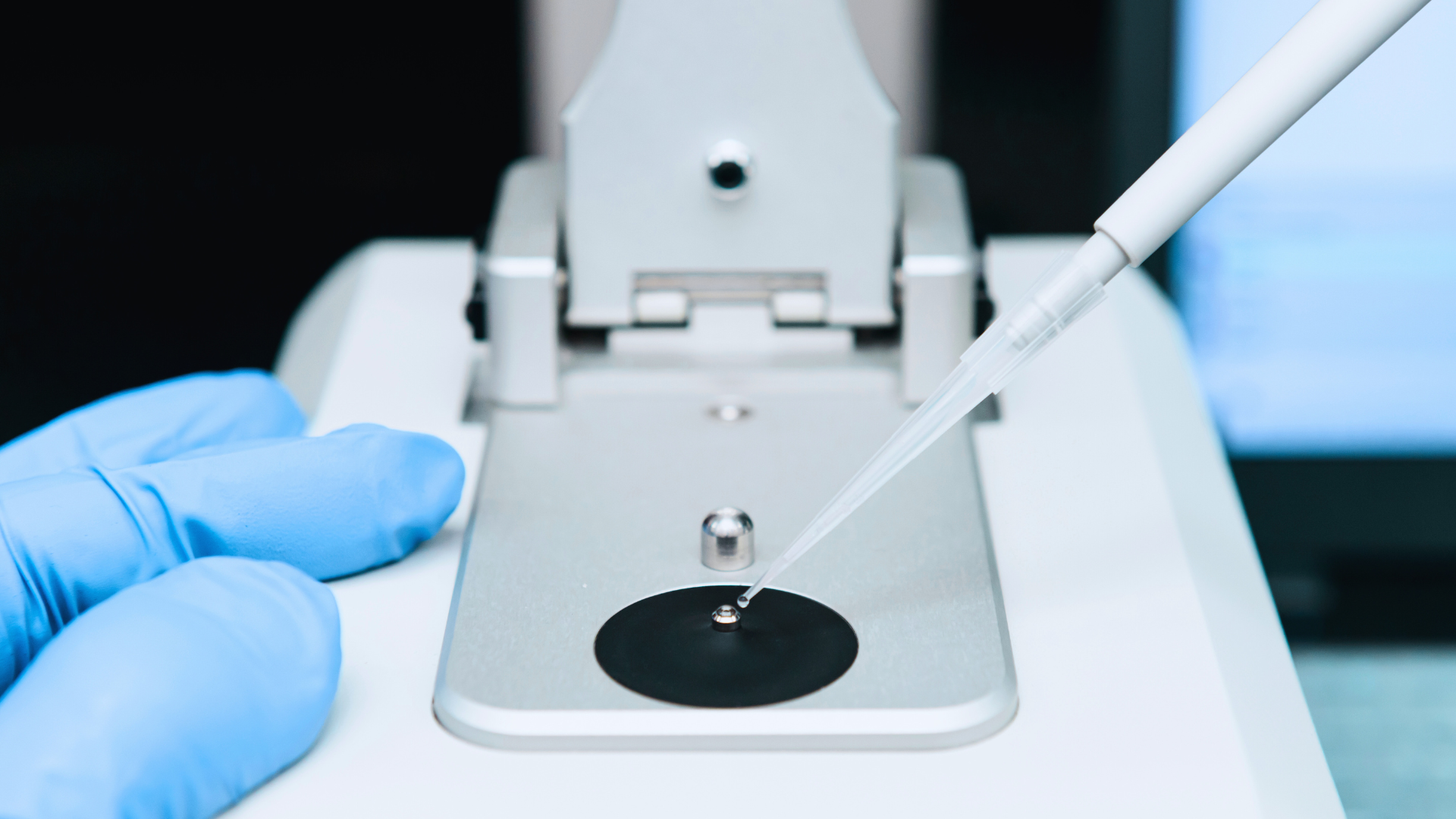
Biosensors combine a bioreceptor with a transducer to detect specific biological substances. The bioreceptor often utilises enzymes, antibodies, or nucleic acids to capture analytes such as proteins or pathogens. The transducer converts this interaction into a measurable signal, which can be electrical, optical, or piezoelectric.
Key components include:
- Bioreceptor: Specific for the target biomarker.
- Transducer: Converts biochemical signals into measurable data.
- Output System: Displays results in a user-friendly format.
The effectiveness of biosensors largely relies on the specificity and sensitivity of these components, impacting their reliability in medical applications.
Applications in Medical Diagnostics
Biosensors are versatile in medical diagnostics, utilised in areas such as glucose monitoring for diabetes, disease detection, and pathogen identification. Electrochemical biosensors play a pivotal role by offering rapid analysis and portability, making them suitable for point-of-care testing.
Examples of applications include:
- Glucose Meters: Common for diabetic patients.
- Infection Detection: Rapid identification of bacteria or viruses.
- Cancer Biomarkers: Detection of specific biomolecules indicative of cancer.
These devices enhance clinical decision-making and improve patient outcomes by delivering timely and accurate information.
The Role of Nanotechnology in Biosensor Development
Nanotechnology significantly enhances biosensor performance by improving sensitivity and reducing detection limits. Nanomaterials, such as gold nanoparticles and carbon nanotubes, facilitate better interaction between the bioreceptor and the analyte, often resulting in amplified signals.
Nanotechnology aids in:
- Miniaturisation: Creating smaller, more efficient sensors.
- Enhanced Selectivity: Allowing for precise detection amidst complex biological samples.
- Integration: Developing multifunctional devices capable of simultaneous testing for multiple biomarkers.
This convergence of nanotechnology and biosensor technology paves the way for innovative healthcare solutions that are both efficient and effective.
Integration of Biosensors with Wearable Technology
The integration of biosensors with wearable technology enhances health monitoring capabilities significantly. This advancement offers opportunities for continuous and real-time monitoring of various health parameters, transforming fitness tracking and chronic disease management.
Advances in Wearable Biosensors
Recent innovations in wearable biosensors have led to the development of devices capable of measuring vital signs such as heart rate, blood glucose, and oxygen levels. These biosensors leverage materials like graphene and flexible electronics for improved sensitivity and user comfort.
Many of these range from wristbands to smart clothing that can collect and transmit health data seamlessly. This integration allows users to receive immediate feedback on their biological metrics, improving engagement with health management.
Continuous and Real-time Monitoring
Continuous monitoring provided by integrated biosensors enables proactive health management. These devices can track changes in vital parameters in real-time, leading to timely interventions. For instance, a wearable biosensor can alert individuals to abnormal glucose levels, preventing potential hypoglycaemic episodes.
Additionally, data collected is often sent to healthcare providers, facilitating remote patient monitoring. This capability supports chronic disease management by allowing healthcare professionals to assess trends and make informed decisions on treatment adjustments.
From Fitness Tracking to Disease Management
Wearable technology has evolved from simple fitness tracking to encompassing comprehensive health management solutions. Devices equipped with biosensors not only record physical activity but also monitor physiological states associated with various health conditions.
For example, wearables can identify stress levels through heart rate variability, enabling users to adopt lifestyle changes. The versatility of these intelligent properties makes them suitable for both fitness enthusiasts and those managing chronic illnesses, promoting overall health and well-being.
Biosensing in Disease Detection and Management
Biosensors play a vital role in early disease detection and ongoing management, enhancing diagnostics and monitoring. Their application spans various medical fields, improving patient outcomes through precise and timely interventions.
Cardiovascular and Cancer Biomarkers
Biosensors facilitate the detection of specific protein biomarkers linked to cardiovascular diseases and cancers. For cardiovascular health, biomarkers like troponin and BNP are crucial for diagnosing heart conditions. In oncology, biomarkers such as CA 125 and PSA assist in cancer detection and monitoring treatment efficacy.
Through microfluidic technology, these sensors can perform multiple analyses simultaneously. This capability allows for rapid screening, enabling healthcare professionals to make informed decisions swiftly. Timely identification of these biomarkers supports personalised treatment plans tailored to individual patient needs.
Biosensors for Diabetic Care
Glucose monitoring is essential for effective diabetic management. Biosensors provide continuous glucose monitoring (CGM), offering real-time data on blood sugar levels. This technology helps patients make informed dietary and medication decisions, reducing the risk of complications.
Many modern biosensors utilise wearable technology, making it easier for patients to track their glucose levels without invasive procedures. The information collected can also be shared with healthcare providers, allowing for better management of diabetes through tailored treatment strategies.
Point-of-Care Devices for Personalised Medicine
Point-of-care biosensors transform disease detection by enabling immediate results in various settings, including hospitals and clinics. These devices allow for quick assessment of biomarkers, leading to faster diagnosis and treatment adjustments.
By integrating with mobile applications, point-of-care devices can facilitate the monitoring of vital health indicators. This integration supports personalised medicine approaches, where treatments are specifically designed based on individual patient data. As a result, biosensing technologies continue to evolve, contributing significantly to modern healthcare.
Future Trends and Challenges in Biosensor Technology
Emerging technologies are shaping the future of biosensors in healthcare. Innovations in materials and the integration of artificial intelligence are at the forefront. Meanwhile, ethical considerations regarding data use and privacy remain critical.
Innovations in Biosensing Materials
Recent advancements in biosensing materials include the development of nano biosensors and carbon nanotubes. These materials enhance sensitivity and accuracy, enabling rapid detection of biomarkers.
Biocompatible materials ensure that sensors can be safely used within the human body, minimising adverse effects. For instance, silk fibroin and hydrogels are being explored for their compatibility and functionality in wearable sensor technologies.
These innovations lead to smaller, portable devices capable of continuous monitoring of vital signs and disease markers, which can transform patient care in real-time.
The Potential of AI and Machine Learning
Artificial intelligence (AI) and machine learning are revolutionising biosensor technology. By analysing vast amounts of data, these tools improve the accuracy and responsiveness of biosensors.
Machine learning algorithms can identify patterns in biological data that humans may overlook. This capability is particularly valuable in predicting disease outbreaks and providing personalised healthcare services.
Additionally, integrating AI with biosensors can enable real-time data analytics, enhancing decision-making in clinical settings. This fusion of technology fosters innovation in diagnostics and therapeutic monitoring.
Ethical and Data Privacy Considerations
As biosensors collect sensitive health information, ethical and data privacy concerns arise. The potential for misuse of personal data underscores the necessity for robust data protection policies.
Healthcare providers must ensure compliance with regulations such as GDPR, safeguarding patient information while utilising biosensor data to improve care. Transparency in data handling practices fosters patient trust and engagement.
Public safety is also paramount as widespread biosensor adoption could lead to surveillance concerns. Balancing technological advancement with ethical considerations will be essential for responsible biosensor deployment in healthcare settings.