Smart home technology has become essential for enhancing convenience, security, and energy efficiency in modern living. From smart thermostats and lighting to security cameras and voice assistants, the best smart home devices work seamlessly together to simplify daily tasks.
The best smart home technology combines ease of use, compatibility, and reliable performance to improve your lifestyle without adding complexity. Choosing the right devices depends on your specific needs and how well they integrate with your existing setup.
Understanding which products offer the most value and functionality can save time and money. This guide highlights top smart home technologies that deliver practical benefits with minimal hassle.
What Is Smart Home Technology?
Smart home technology integrates devices and systems that improve convenience, security, and energy efficiency in residential settings. These technologies rely on connectivity, automation, and user control to create a more responsive living environment.
Definition and Core Concepts
Smart home technology refers to networks of devices and appliances that communicate through the internet or local networks. These devices can be monitored and controlled remotely using smartphones, tablets, or voice assistants. The core idea is automation—tasks like adjusting thermostats, controlling lighting, or managing security systems happen without constant manual input.
The system commonly uses sensors, software, and cloud computing to gather data, make decisions, and execute commands. Interoperability and real-time communication between devices are crucial, allowing various products from different manufacturers to work together seamlessly.
How Smart Homes Work
Smart homes operate through interconnected devices linked by Wi-Fi, Zigbee, Z-Wave, or Bluetooth protocols. A central hub or app acts as the control point, enabling users to manage all devices from one interface.
Sensors detect changes in the environment—temperature, movement, light levels—and trigger automated responses. For example, a motion sensor can turn on lights when someone enters a room.
Many systems incorporate machine learning to adapt to user preferences over time, improving efficiency. Voice control via platforms like Amazon Alexa or Google Assistant also plays a significant role in how users interact with smart homes.
Key Features of Smart Home Devices
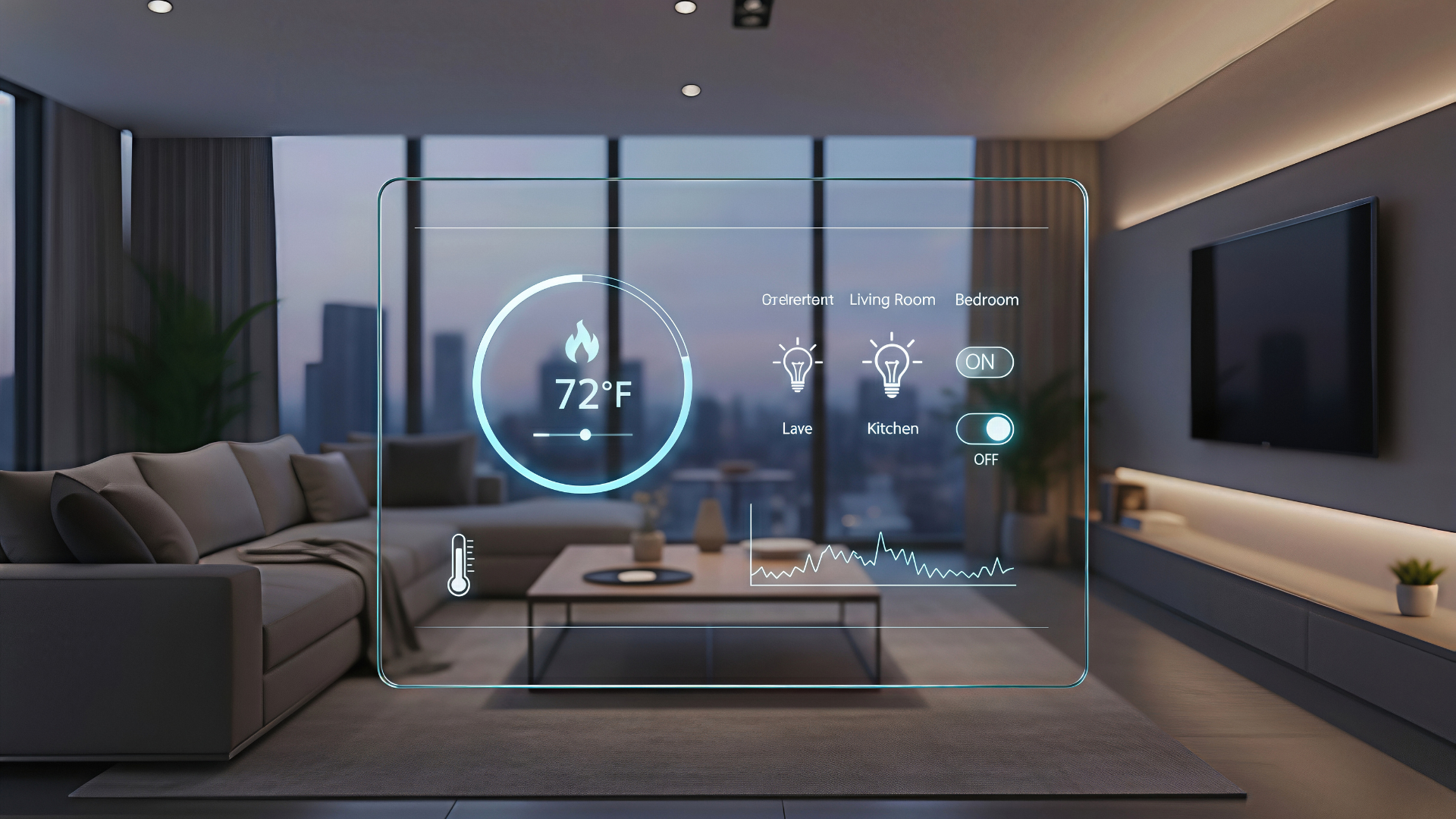
Smart home devices offer features like remote access, automation, energy monitoring, and security alerts. Remote access allows users to control devices from anywhere with an internet connection. Automation schedules or triggers actions based on time or sensor inputs.
Energy monitoring helps track and reduce consumption by adjusting device behaviour. Security features include smart locks, cameras, and alarms, which provide real-time notifications and remote surveillance.
Compatibility and ease of installation are critical for adoption. Devices with open protocols and user-friendly apps tend to offer the best experience.
Benefits of Smart Home Technology
Smart home technology offers tangible improvements in daily living, energy consumption, and security measures. These systems integrate seamlessly to provide real-time control, cost savings, and greater protection for your household.
Enhanced Convenience and Comfort
Smart devices allow users to automate routine tasks such as lighting, climate control, and entertainment. For example, voice-activated assistants can adjust room temperature or play music without manual input. Scheduling features enable lights and appliances to operate based on specific times or sensor triggers.
Remote access through mobile apps brings further convenience, permitting users to control their home environment from anywhere. Integration with calendars and geofencing can customise settings depending on your presence or activities, enhancing both comfort and daily efficiency.
Energy Efficiency Advantages
Smart thermostats and lighting systems optimise energy use by responding to occupancy and time of day. They reduce waste by automatically turning off devices when rooms are unoccupied. This targeted control can lower utility bills significantly.
Energy monitoring tools track consumption patterns and provide users with actionable insights. Some smart appliances operate during off-peak hours, leveraging lower energy rates. These features align environmental benefits with cost savings.
Improved Home Security
Connected security cameras, smart locks, and alarm systems provide real-time alerts and remote management options. Users can monitor entrances via live video feeds and lock doors from their smartphones, ensuring secure access control.
Motion detectors and sensors trigger notifications about unusual activities, allowing for immediate response. Integration with emergency services or trusted contacts can enhance safety. The ability to review recorded footage and control security components remotely strengthens home protection considerably.
Essential Smart Home Devices
Smart home technology focuses on devices that enhance convenience, energy efficiency, and security through automation and connectivity. Key components include voice-controlled hubs, adaptable lighting, and intelligent climate control.
Smart Speakers and Voice Assistants
Smart speakers like Amazon Echo and Google Nest integrate voice assistants, allowing hands-free control of smart devices. They support tasks such as setting reminders, playing music, and managing compatible home systems through simple voice commands.
These devices connect with a broad ecosystem, enabling control of thermostats, lights, security cameras, and more. They typically feature built-in microphones with privacy controls and often support multi-room audio setups. Compatibility with various third-party apps and smart home standards is crucial for seamless operation.
Connected Lighting Systems
Connected lighting offers customizable brightness, colour, and schedules through apps or voice commands. Brands like Philips Hue and LIFX provide bulbs that adapt to daily routines, improve energy efficiency, and enhance home ambience.
Installation usually requires a bridge or hub, but some models connect directly via Wi-Fi. Key benefits include remote control, automation based on presence or time, and integration with other smart home devices such as motion sensors. Energy savings and extended bulb lifespan are additional advantages.
Smart Thermostats
Smart thermostats such as Nest, Ecobee, and Honeywell enable precise temperature control while optimising energy usage. They learn user preferences and adjust heating or cooling automatically to reduce waste.
Features often include geofencing, scheduling, and remote access via smartphone apps. Many support integration with other smart home systems and voice assistants. These devices provide detailed energy reports to help monitor consumption and adjust settings accordingly.
Advanced Home Security Solutions
Modern home security integrates multiple technologies designed to control access, monitor activity, and provide real-time alerts. Effective systems combine convenience with robust protection, giving homeowners precise control and visibility over their property.
Smart Locks
Smart locks replace traditional key systems with digital access controls, often managed via smartphones or keypads. They allow remote locking and unlocking, which helps in managing access without physical keys. Many models support temporary digital keys for guests or service workers, enhancing security and convenience.
Features to consider include auto-locking, tamper alarms, and integration with broader smart home systems. Brands like August and Schlage offer compatibility with voice assistants and security platforms, making management seamless. Battery life and encryption standards are also important to ensure reliability and protection from hacking.
Security Cameras
Security cameras provide continuous surveillance and motion-activated recording. Choose cameras with high resolution (1080p or above) and night vision capabilities for clear images around the clock. Cloud storage options allow easy access to recorded footage from anywhere.
Key features include motion detection alerts, two-way audio, and weather resistance for outdoor models. Integration with home automation systems can trigger alarms or lighting based on detected movement. Popular cameras from brands like Arlo and Nest support smart notifications and advanced AI detection to reduce false alarms.
Video Doorbells
Video doorbells combine traditional doorbells with integrated video cameras, microphones, and speakers. They provide live video feeds and two-way communication, allowing homeowners to view and speak to visitors remotely. Many include motion sensors to alert users to activity even before the doorbell rings.
Look for models with wide viewing angles, high-definition video, and reliable motion detection zones. Features such as facial recognition and package detection improve security and convenience. Leading devices from Ring, Google Nest, and Eufy offer compatibility with broader smart home ecosystems for seamless control.
Home Automation and Integration
Effective home automation depends on connecting devices through a central platform, compatibility with major smart ecosystems, and customizable automated workflows. These elements streamline control, improve convenience, and allow for personalised smart home experiences.
Centralised Smart Home Hubs
Centralised smart home hubs act as the control centre, linking various devices from lighting to security systems. Popular options include Amazon Echo Show, Samsung SmartThings Hub, and Google Nest Hub.
These hubs support multiple protocols such as Zigbee, Z-Wave, and Wi-Fi. This compatibility ensures a broad range of devices can communicate seamlessly. Users benefit from managing the home through a single app or voice commands, reducing complexity.
Security is enhanced because centralised hubs often include encryption and regular firmware updates. This reduces vulnerabilities associated with standalone devices. Choosing a hub that aligns with existing devices and future expansions is crucial.
Integration with Smart Ecosystems
Smart ecosystems like Amazon Alexa, Google Assistant, and Apple HomeKit offer expansive compatibility and ongoing software support. Devices integrated within these ecosystems share common control methods, like voice commands or mobile apps.
Each ecosystem supports unique features. For example, Apple HomeKit uses strict privacy rules and end-to-end encryption. Google Assistant emphasises AI-driven automation, while Alexa boasts extensive third-party device support.
Integration allows users to combine devices naturally. For instance, smart locks, lights, and thermostats can be controlled from one interface. This reduces friction and creates smoother user experiences in day-to-day routines.
IFTTT and Automated Routines
IFTTT (If This Then That) enables the creation of custom automated actions across diverse smart home devices. This service links triggers (e.g., sunset) with actions (e.g., turn on lights), even if devices are from different brands.
Automated routines go beyond simple commands. They can combine conditions such as time, location, or sensor data. For example, a morning routine may gradually brighten lights and start a coffee maker based on wake-up time.
Using IFTTT and platform-specific routines, users can save time and increase efficiency. Custom automation reduces manual control and helps devices respond proactively to lifestyle patterns.
Smart Appliances and Entertainment
Smart home technology is reshaping everyday living by enhancing convenience and control over household devices. From kitchen tools that streamline cooking to entertainment systems offering personalised experiences, smart devices provide practical benefits that improve daily routines.
Connected Kitchen Appliances
Connected kitchen appliances offer remote control and automation through smartphone apps or voice assistants. Smart refrigerators can monitor contents, suggest recipes, and alert users about expiry dates.
Ovens equipped with Wi-Fi enable remote preheating and cooking adjustments, saving time and improving meal preparation. Smart coffee makers can brew beverages on schedule or with mobile commands.
Some appliances integrate with other home systems for energy efficiency, such as adjusting refrigeration modes based on peak electricity hours. Key features include:
- Inventory tracking
- Remote temperature control
- Voice activation
- Recipe guidance
These functionalities contribute to reducing food waste and making kitchen management more efficient.
Smart TVs and Streaming Devices
Smart TVs provide built-in apps for streaming, gaming, and browsing without needing external devices. They often support voice commands via integrated assistants like Alexa or Google Assistant.
Streaming devices, such as Roku, Amazon Fire TV Stick, and Apple TV, expand access to content and offer custom interfaces tailored to user preferences. Features to consider include:
- 4K and HDR support
- Cross-platform app compatibility
- User profiles and recommendations
- Integration with home automation systems
Together, these devices enhance the entertainment experience by making content readily accessible and manageable from one interface. Network connectivity enables updates and new content delivery without user intervention.
Energy Management and Sustainability
Energy efficiency and sustainable power sources are central to modern smart homes. Proper tools can track and reduce energy consumption, while integrating renewable energy supports eco-friendly living.
Smart Plugs and Energy Monitors
Smart plugs provide real-time data on the power usage of connected devices. They allow users to schedule operation times, turn off devices remotely, and prevent power waste when electronics are idle.
Energy monitors offer comprehensive insights by tracking whole-home electricity consumption. Many systems display consumption trends via mobile apps. This data helps homeowners identify high-usage appliances and adjust habits to lower bills.
Most smart plugs support voice control and automation. For instance, devices can automatically shut off during peak energy hours, reducing costs. Combined with energy monitors, smart plugs form a practical solution for precise, actionable energy management.
Solar Integration
Integrating solar panels with smart home systems optimises energy production and use. Smart inverters convert DC power to AC efficiently, while smart meters track energy flow between the home, grid, and solar array.
Smart home automation can prioritise solar energy use for appliances or store excess energy in batteries. This reduces dependence on the grid and lowers utility costs.
Systems often include weather forecasting features to adjust consumption based on sunlight availability. Solar integration not only cuts energy bills but also contributes to a sustainable home environment.
Privacy and Security Considerations
Smart home devices collect and transmit personal data, making privacy protection critical. Securing device access and managing data flow helps reduce risks of hacking and misuse.
Data Protection in Smart Homes
Smart home devices store sensitive data like voice commands, usage patterns, and video footage. This data is often saved locally or processed in the cloud, which can expose it to unauthorised access if not properly secured.
Encryption is essential. Data should be encrypted both during transmission and while at rest. Look for devices that support end-to-end encryption and compliance with privacy standards such as GDPR or CCPA.
User permissions must be carefully managed. Limit who can access device controls and data logs, and regularly review connected apps and permissions. Avoid default passwords by setting strong, unique ones for each device.
Best Practices for Cybersecurity
Use a dedicated network for smart home devices to isolate them from primary devices like computers or smartphones. This minimises the impact if a single device is compromised.
Regularly update device firmware to patch known vulnerabilities. Many attacks exploit outdated software, so automatic updates or frequent manual checks are necessary.
Enable two-factor authentication (2FA) where available. This adds an extra security layer beyond passwords and helps prevent unauthorised account access.
Monitor device activity with built-in logs or third-party security apps to detect unusual behaviour early. Disable unnecessary features like remote access if not needed to reduce exposure to attacks.
Future Trends in Smart Home Technology
Smart home technology is evolving rapidly to offer more personalised, efficient, and interconnected experiences. The developments focus on deeper automation and broader device ecosystems that work seamlessly together to enhance daily living.
Artificial Intelligence Integration
Artificial intelligence (AI) is becoming the backbone of smart home systems, enabling devices to learn user habits and preferences. AI-driven assistants can anticipate needs, adjust settings automatically, and provide predictive maintenance alerts for appliances. For example, smart thermostats use AI to optimise energy use based on occupancy patterns.
AI also improves security with facial recognition cameras and anomaly detection, alerting homeowners of unusual activity faster than traditional systems. Voice control and natural language processing advancements allow more complex commands and multitasking, making interactions smoother and more intuitive.
Expanding IoT Capabilities
The Internet of Things (IoT) is broadening the range and functionality of connected devices in homes. New standards like Matter aim to improve device interoperability, allowing gadgets from different manufacturers to work together without compatibility issues.
Smart sensors are becoming smaller and more energy-efficient, enabling better monitoring of environmental factors like air quality, humidity, and light levels. These sensors feed data into centralised hubs, which analyse information to automate lighting, ventilation, and security. The expansion of 5G and edge computing further supports faster data exchange, reducing latency and enabling real-time responses from smart home systems.