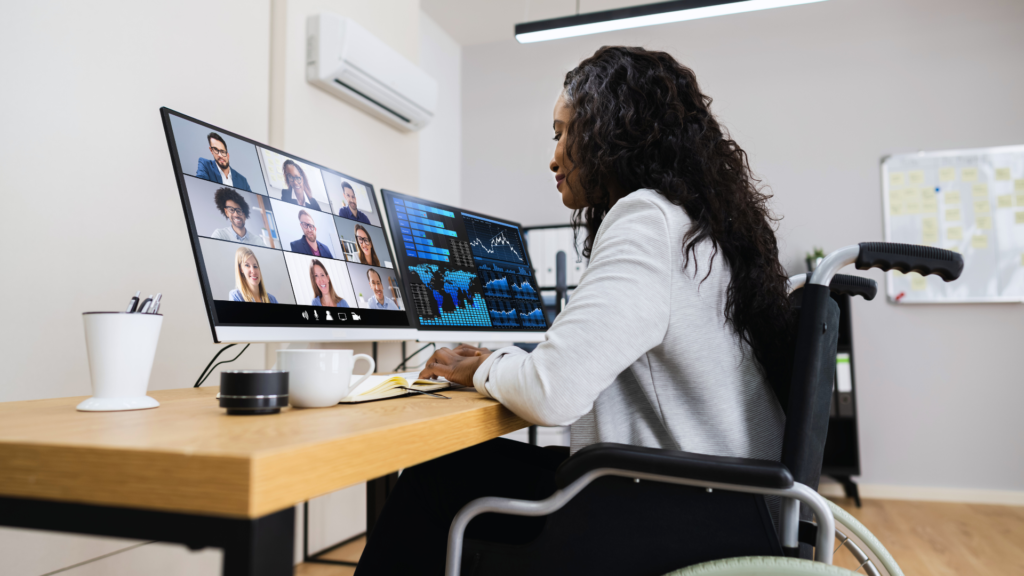
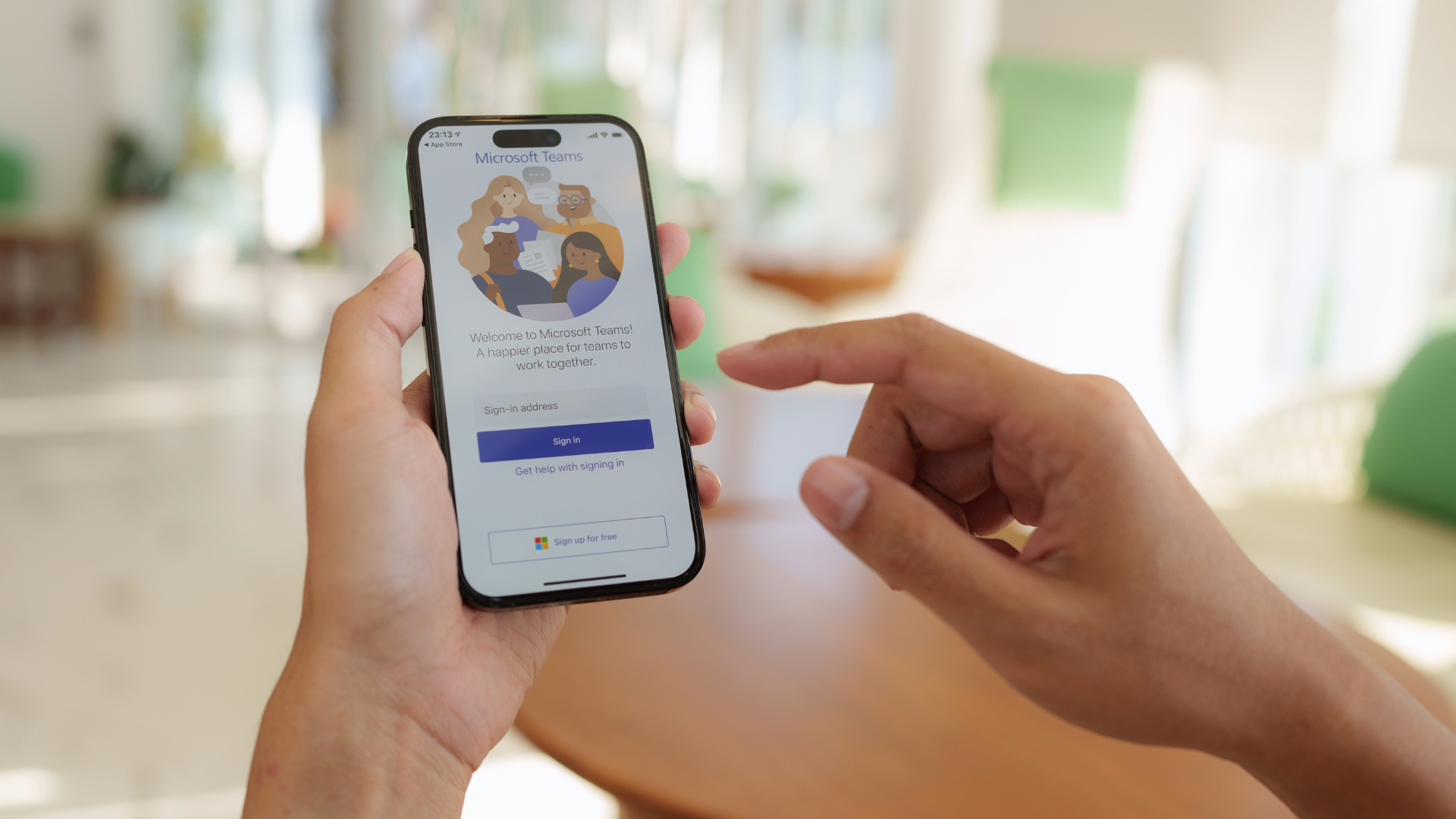
Every day life is made simpler and more efficient with the right technology. The best technology for daily use focuses on reliability, ease of use, and versatility, including smartphones, smart home devices, and wearable tech. These tools help manage time, improve communication, and increase productivity.
Smartphones act as hubs for work, entertainment, and connectivity, while smart home devices automate routine tasks. Wearables monitor health and fitness, giving users real-time data to make informed decisions.
Choosing technology that integrates seamlessly into daily routines is key. This ensures technology enhances life without adding complexity or frustration.
Smartphones and Everyday Communication
Smartphones combine hardware and software to support communication, organisation, and privacy. Key features enhance voice, text, and video interaction while apps boost efficiency. Security measures protect sensitive information without sacrificing usability.
Essential Mobile Features
Modern smartphones offer high-resolution touchscreens, fast processors, and reliable connectivity options like 5G and Wi-Fi 6. These components enable smooth video calls, instant messaging, and seamless app use.
Built-in cameras support visual communication and document scanning. Battery life typically ranges from 10 to 24 hours, depending on usage, with fast charging widely available.
Common sensors include GPS for location services and accelerometers that support fitness tracking and gaming. Voice assistants, such as Siri or Google Assistant, provide hands-free access to information and control.
Productivity Apps
Productivity apps transform smartphones into work tools. Email clients like Outlook or Gmail help manage correspondence efficiently. Calendar apps organise meetings and deadlines with reminders and syncing across devices.
Note-taking apps such as Evernote or OneNote enable quick idea capture and cloud backup. Collaboration is easier with platforms like Microsoft Teams or Slack, which integrate messaging, file sharing, and video conferencing.
Document editing apps, including Google Docs and Microsoft Office Mobile, support creating and modifying files on the go. Task management apps like Todoist improve focus by tracking priorities and progress.
Privacy and Security in Mobile Devices
Mobile devices employ encryption to safeguard data both at rest and during transmission. Biometric authentication, such as fingerprint and facial recognition, restricts unauthorised access without complex passwords.
Regular operating system updates patch vulnerabilities and improve overall security. Users should enable two-factor authentication on key accounts to reduce the risk of breaches.
App permissions control access to sensitive data, and reviewing them regularly limits unnecessary exposure. VPNs add an extra layer of security when using public Wi-Fi, protecting communication from interception.
Home Automation and Smart Living
Modern home automation connects various devices and systems to enhance convenience, security, and energy efficiency. It includes hardware and software that operate lighting, climate control, security cameras, and more, often centralised through user-friendly interfaces.
Popular Smart Home Devices
Smart thermostats, like the Nest Learning Thermostat, adjust home temperature based on user habits, reducing energy waste. Smart lighting systems, such as Philips Hue, offer customizable colours and schedules controlled via apps or voice commands.
Security devices include smart locks and video doorbells, which enable remote access and real-time monitoring. These devices improve safety with alerts and easy management from smartphones.
Many smart plugs and sensors allow automation of everyday tasks. They can switch appliances on/off or detect motion to trigger actions, simplifying routine activities.
Voice-Controlled Assistants
Voice assistants such as Amazon Alexa, Google Assistant, and Apple’s Siri serve as central control hubs. They respond to natural language commands to adjust devices, set reminders, or provide information quickly.
Integration with smart home products allows seamless control of lights, thermostats, and entertainment systems. Voice assistants support routines that automate multiple devices simultaneously.
They also offer accessibility benefits for users with mobility challenges, enabling hands-free operation of home devices. Privacy features like manual mute options or limiting data sharing vary by platform.
Energy Management Solutions
Smart home technology includes tools to optimise energy use and lower utility costs. Devices like smart plugs measure the power consumption of connected appliances and report usage statistics.
Advanced systems combine solar panels, battery storage, and smart energy meters to balance energy generation and demand. They can shift power use to off-peak hours when rates are lower.
Energy management platforms provide users with real-time feedback through mobile apps, helping track patterns and identify inefficiencies. Simple adjustments driven by this data can lead to meaningful savings.
Wearable Technology Advancements
Wearable technology has seen significant improvements in design, accuracy, and functionality. Devices now offer more precise monitoring and better integration with other digital tools, enhancing daily utility.
Health and Fitness Tracking
Modern wearables provide detailed insights into physical activity and vital signs. Sensors track metrics like heart rate, blood oxygen levels, sleep quality, and calorie consumption with increasing accuracy. Devices such as fitness bands and smart rings use algorithms to analyse this data and offer personalised health recommendations.
Advanced models also include features like ECG monitoring and stress tracking, crucial for early detection of health issues. Real-time feedback helps users adjust behaviours immediately, which supports proactive health management without needing constant medical supervision.
Smartwatches for Seamless Connectivity
Smartwatches have evolved beyond timekeeping to become essential communication hubs. They allow seamless access to calls, messages, and notifications directly on the wrist, reducing the need to check phones. Integration with voice assistants enables hands-free operation.
Many smartwatches also support contactless payments, GPS navigation, and app synchronisation with smartphones. Battery life improvements and durable designs allow extended use throughout busy days, maintaining functionality in various environments.
Innovations in Wearable Devices
Recent innovations focus on expanding use cases and improving user experience. Flexible displays, improved battery technology, and advanced biometric sensors make devices smaller and more comfortable. Some wearables now support skin temperature tracking and hydration monitoring.
Augmented reality (AR) glasses and smart clothing are emerging technologies that blend digital information with physical environments. These devices aim to provide context-aware data, boosting productivity and convenience in professional and personal settings.
Personal Entertainment Technologies
Modern entertainment focuses on accessibility, quality, and immersion. Devices now deliver content seamlessly while providing flexibility and high-fidelity experiences tailored to personal preferences.
Streaming Devices
Streaming devices convert regular TVs into smart entertainment hubs. Popular options include Roku, Amazon Fire TV Stick, and Google Chromecast. These devices support major platforms such as Netflix, Hulu, Disney+, and Prime Video, allowing quick access to a wide content library.
Key features to consider are resolution (4K support), user interface, and voice control integration via Alexa or Google Assistant. Many also support games and apps beyond streaming, adding value. Setup is typically plug-and-play, requiring only HDMI and Wi-Fi.
Wireless Audio Solutions
Wireless audio enhances convenience by eliminating cables without sacrificing sound quality. Bluetooth headphones, earbuds, and speakers dominate this space. Brands like Sony, Bose, and Apple AirPods offer options ranging from casual listening to professional-grade noise cancellation.
Look for features such as battery life, Bluetooth version, and codec support (aptX, AAC). Multi-device pairing and voice assistant compatibility are increasingly common. True wireless earbuds provide complete wire freedom but require regular charging.
Gadgets for Immersive Experiences
Immersive entertainment gadgets include Virtual Reality (VR) headsets and augmented reality (AR) glasses. Devices like the Oculus Quest 2 or PlayStation VR create engaging environments through motion tracking and 3D audio.
These systems demand space and a compatible device, such as a gaming console or PC. They excel in gaming and interactive media but are evolving towards wider use in education and virtual meetings. High refresh rates and low latency are critical for comfort and immersion.
Mobility and Transportation Tech
Modern mobility relies heavily on digital tools that enhance route planning, convenience, and eco-friendly choices. Advances in transportation technology focus on efficiency, accessibility, and reducing environmental impact. These innovations make moving around cities and beyond more manageable and tailored to individual needs.
Navigation and Mapping Tools
Navigation apps like Google Maps and Waze provide real-time traffic updates and alternative routes catering to both drivers and pedestrians. They use GPS to track location and suggest the fastest, least congested paths to destinations.
These tools often include features such as lane guidance, speed alerts, and integration with public transit schedules. Offline map availability ensures usability even without internet access, enhancing reliability.
Some apps incorporate user-generated data for hazards or road closures. Turn-by-turn voice directions allow hands-free operation, improving safety while driving or cycling.
Electric Transportation Options
Electric vehicles (EVs), including cars, bikes, and scooters, have become widely accessible for daily commuting. EVs reduce carbon emissions and often lower operational costs compared to gasoline-powered counterparts.
Charging infrastructure is expanding, with fast chargers available in many urban areas and along highways. Battery technology improvements have increased range, alleviating range anxiety for many users.
Electric bikes and scooters provide flexible short-distance travel and reduce reliance on cars. Many cities support these options through designated lanes and parking spots.
Ride-Sharing and Mobility Apps
Ride-sharing platforms such as Uber, Lyft, and regional alternatives offer on-demand transportation that can be cheaper than traditional taxis. These apps provide upfront fare estimates, driver ratings, and ride options, including carpooling.
Mobility-as-a-service (MaaS) apps combine multiple transport modes in one interface, allowing users to plan and pay for trips involving buses, trains, bikes, and cars seamlessly.
Contactless payments and digital ticketing improve convenience and reduce physical contact. Many apps also support subscription plans offering discounts for frequent users.
Health and Wellness Technology
Advances in digital tools have reshaped access to healthcare, mental health support, and long-term monitoring. These technologies improve convenience and provide data-driven insights for better health decisions.
Telehealth Solutions
Telehealth platforms allow remote consultations with healthcare providers via video, phone, or chat. This reduces the need for in-person visits, saving time and increasing accessibility, especially in remote areas.
Services commonly include primary care, specialist visits, and prescription management. Many platforms integrate with electronic health records for seamless information sharing. Insurance often covers telehealth appointments, making it an affordable alternative.
Security features like end-to-end encryption protect patient privacy during consultations. Providers can deliver timely care, increasing early intervention and reducing hospital visits.
Mental Wellness Applications
Apps focused on mental wellness offer tools for stress management, mood tracking, meditation, and cognitive behavioural therapy (CBT). These apps provide structured programs or self-guided exercises tailored to individual needs.
Common features include daily mood logs, guided breathing exercises, and mindfulness sessions. Some apps connect users to licensed therapists or support communities. Data analytics can identify patterns to customise user support.
They serve as accessible, low-cost supplementary resources for managing anxiety, depression, and sleep issues, supporting overall psychological well-being.
Remote Health Monitoring
Remote health monitoring employs wearable devices to track vital signs like heart rate, blood pressure, glucose levels, and sleep quality in real time. This supports continuous management of chronic conditions such as diabetes and hypertension.
Devices sync with smartphones or cloud platforms, allowing users and healthcare providers to review trends and detect abnormalities early. Alerts can notify users or caregivers of potential health risks.
This real-time data helps adjust treatments promptly and promotes proactive health management, reducing emergency situations and hospital admissions.
Financial Management Technologies
Managing money efficiently involves tools that simplify transactions, monitor spending, and automate savings or payments. These technologies help users maintain control over their finances with precision and ease.
Mobile Banking and Payment Apps
Mobile banking apps provide secure access to checking, savings, and investment accounts from smartphones. They allow users to transfer funds, pay bills, deposit checks, and monitor account activity in real time.
Popular apps like Chase Mobile, Wells Fargo Mobile, and Bank of America Mobile often include biometric login and fraud alerts for added security. Payment apps such as Venmo, PayPal, and Apple Pay enable quick person-to-person payments or contactless transactions in stores.
These apps also offer features like budgeting insights, spending categorisation, and alerts for unusual activity. Immediate access to accounts helps users avoid overdrafts and manage cash flow accurately.
Expense & Budget Tracking Tools
Expense tracking tools categorise spending automatically to identify where money goes each month. Users can set budget limits by category and receive notifications when nearing those limits.
Apps like Mint, YNAB (You Need A Budget), and PocketGuard sync with bank accounts and credit cards to provide a comprehensive overview of finances. They visualise data with charts and graphs, making trends easier to understand.
These tools encourage disciplined spending by highlighting unnecessary expenses and promoting savings goals. Many allow manual entry for cash purchases, ensuring no transaction is missed.
Personal Finance Automation
Automation streamlines routine financial tasks such as bill payments, savings contributions, and investment deposits. Auto-pay options reduce late fees and improve credit scores by ensuring bills are paid on time.
Services like Acorns and Digit analyse spending patterns and automatically transfer small amounts into savings or investment accounts. This “set-and-forget” approach builds financial safety nets without user intervention.
Automated alerts remind users of upcoming payments, while customizable rules can prioritise fund allocation based on personal financial goals. Automation reduces mental load and risk of human error.
Connected Home Security Solutions
Modern home security integrates devices that monitor, control, and respond to safety concerns in real time. These tools improve protection by offering remote access, automation, and instant alerts, making home security both comprehensive and user-friendly.
Smart Surveillance Systems
Smart surveillance uses networked cameras with features like motion detection, night vision, and facial recognition. These cameras stream live footage to smartphones or computers and store recordings in the cloud for easy access.
Many systems include AI-driven alerts that reduce false alarms by distinguishing people from animals or vehicles. Integration with voice assistants enables hands-free control. Key benefits include increased visibility around the home and enhanced evidence collection in case of incidents.
Automated Access Control
Automated access control replaces traditional keys with smart locks and digital entry systems. These technologies allow you to lock or unlock doors via smartphone apps, keypads, or biometric scanners.
Temporary digital keys can be shared with guests or service providers, enhancing convenience without compromising security. Some systems also log entry times and user identities for monitoring. Remote control and real-time status updates help manage access efficiently.
Emergency Alert Technologies
Emergency alert systems connect security devices to local responders and notify homeowners instantly during incidents. These include panic buttons, smoke and CO detectors, and medical alert devices.
Smart integration ensures alerts propagate through multiple channels like calls, texts, or app notifications. Advanced setups use geofencing to trigger alerts when residents leave or enter the home. Fast, reliable notification is critical to minimising response times and damages.
Sustainable and Eco-Friendly Tech in Daily Life
Adopting technology that supports sustainability can reduce environmental impact and save money. Efficient energy use, durable appliances, and tools for managing waste play a critical role. These technologies help maintain a balance between convenience and ecological responsibility.
Smart Energy Monitoring
Smart energy monitors track electricity usage in real time. They provide data on which devices consume the most power, enabling users to adjust habits and lower bills. Many systems connect to mobile apps, allowing remote monitoring and control.
Some models integrate with smart home systems to automate energy savings. For example, they can turn off lights or reduce heating when rooms are unoccupied. This reduces unnecessary energy consumption without sacrificing comfort.
Installing smart meters also helps identify faulty appliances that drain power. By pinpointing inefficiencies, these tools contribute to longer appliance lifespans and reduced waste.
Eco-Friendly Appliances
Modern eco-friendly appliances focus on reducing water and power use while maintaining performance. Energy Star-certified refrigerators, washing machines, and dishwashers use advanced technology to consume less energy.
These appliances often include features like low-water cycles, motion sensors, and efficient compressors. They reduce utility costs and environmental impact simultaneously.
Materials and design focus on recyclability and durability. This extends product life and minimises landfill waste from frequent replacements.
Recycling and Waste Management Gadgets
Devices designed for home recycling simplify sorting and processing waste. Smart bins can automatically identify recyclable materials and compact them, saving space.
Composting gadgets transform organic waste into useful fertiliser with controlled decomposition. These units operate odour-free and are suitable for indoor use.
Some systems provide tracking metrics, encouraging consistent recycling habits. They also alert users when bins are full or need maintenance, increasing efficiency in waste management.
Emerging Technologies Shaping Everyday Living
New technological advances are rapidly changing how people interact with devices, communicate, and manage daily tasks. These innovations improve convenience, efficiency, and connectivity in everyday life.
Artificial Intelligence Integration
Artificial intelligence (AI) is increasingly embedded in consumer devices and applications. Voice assistants like Alexa and Google Assistant use natural language processing to understand commands and provide relevant responses.
AI powers personalised recommendations on streaming services, shopping platforms, and social media, tailoring content based on user preferences. Machine learning algorithms enhance photo editing apps by recognising objects and optimising images automatically.
In homes, AI-driven smart thermostats adjust temperatures based on schedules and occupancy patterns, reducing energy consumption. Security systems rely on AI for facial recognition and anomaly detection to improve safety.
Internet of Things Development
The Internet of Things (IoT) connects everyday objects to the internet, allowing remote monitoring and control. Smart home devices—such as lights, locks, and appliances—can be managed via smartphone apps or voice commands.
Health-focused IoT devices track vital signs like heart rate and sleep patterns, transmitting real-time data to users and healthcare providers. This continuous monitoring supports proactive wellness management.
Industrial and urban IoT systems optimise resource use and improve convenience in cities through smart grids and connected transportation networks. IoT interoperability standards are advancing, enabling more seamless integration among diverse devices.
5G Connectivity Impacts
5G networks offer significantly faster data speeds, lower latency, and higher capacity compared to 4G. This improves streaming quality, cloud gaming experiences, and video conferencing reliability.
The increased bandwidth supports the expansion of smart cities by enabling dense deployments of IoT sensors and connected devices. Autonomous vehicles benefit from 5G by receiving and sharing data instantly for safer navigation.
Remote work and education become more feasible with consistent, high-speed connections in rural and urban areas. 5G also accelerates augmented and virtual reality applications by reducing lag and improving responsiveness.
Choosing the Best Technology for Your Needs
Selecting the right technology starts with understanding your specific requirements. Identify what tasks you need the device or software to perform. This clarity helps focus your search and avoids paying for unnecessary features.
Consider your budget alongside your needs. Higher prices do not always mean better suitability. Sometimes, mid-range options provide exactly the functions required without extra cost.
Key factors to evaluate include:
- Compatibility with other devices or platforms you use
- Ease of use for your comfort and efficiency
- Durability to ensure long-term value
| Factor | Why It Matters |
| Compatibility | Ensures seamless integration in your setup |
| Ease of Use | Reduces learning time and daily effort |
| Durability | Saves money over time by lasting longer |
Read user reviews and expert opinions focused on real-world performance. Pay attention to updates and customer support quality. These aspects influence the technology’s ongoing usefulness and reliability.
Make a list of must-have features versus nice-to-have ones. This distinction keeps selection focused and practical. Testing devices in-store or trying demos online can also provide insight before committing.