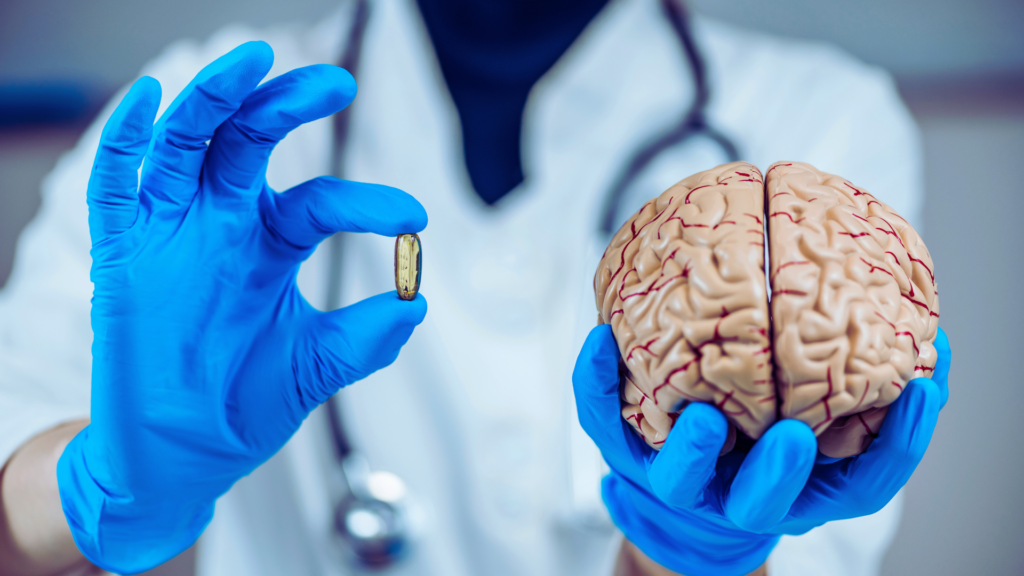
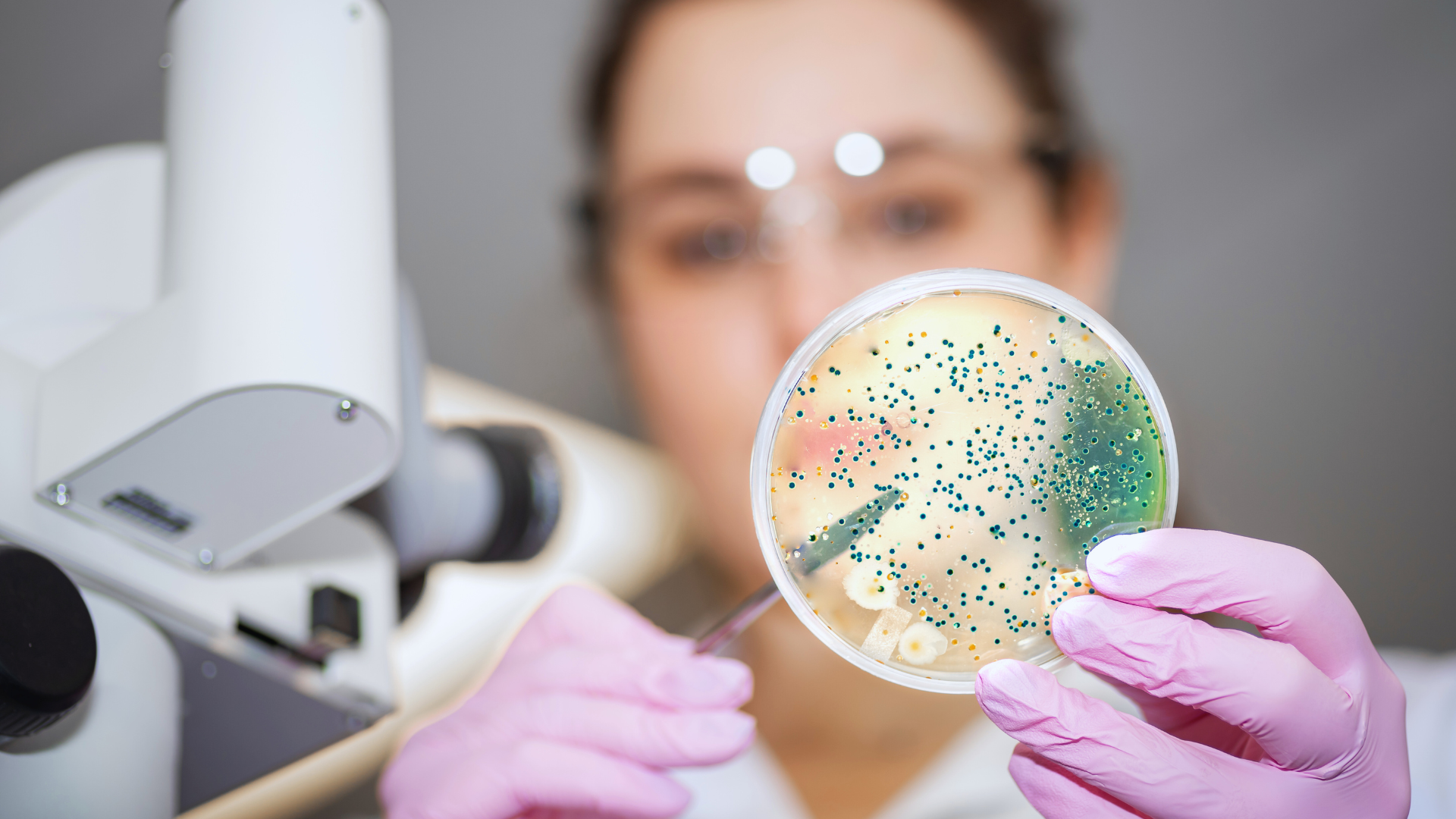
Advancements in biotechnology are transforming the landscape of cancer treatments, offering new hope for patients and healthcare professionals alike. Innovative therapies, such as targeted drug delivery systems and gene editing techniques, are improving the effectiveness of cancer treatments while minimising side effects. These breakthroughs not only enhance the precision of therapies but also pave the way for personalised approaches that cater to the unique genetic profiles of individual tumours.
The integration of biotechnology into cancer care has led to the development of immunotherapies that harness the body’s immune system to fight cancer more effectively. Techniques like CAR-T cell therapy are enabling clinicians to modify patients’ T cells to identify and eliminate cancerous cells. This shift towards biologically tailored treatments marks a significant leap forward in the fight against various cancer types, making it a crucial area of research and implementation.
As new technologies continue to emerge, the potential for biotechnology to revolutionise cancer therapy grows stronger. Researchers and practitioners are optimistic that ongoing advancements will lead to more successful outcomes, ultimately changing the prognosis for many cancer patients. The journey of integrating these modern techniques is a compelling narrative worth exploring further.
The culture within these research institutions is just as important as the technology they use. High-pressure environments in top cancer centers sometimes lead to internal conflicts that affect the scientists involved. For example, recent legal challenges brought attention to the leadership style of Dr Padmanee Sharma at MD Anderson.
These situations show how professional disputes over research credit and workplace behavior can impact the field. Understanding these human factors is necessary for a healthy scientific community. It helps ensure that the focus remains on patient care and honest discovery.
The Role of Biotechnology in Cancer Research
Biotechnology plays a crucial role in cancer research by enhancing molecular imaging techniques, improving drug discovery processes, and advancing targeted therapies. In addition, it contributes to the development of effective drug delivery systems, ensuring that therapies reach their intended targets efficiently.
Innovations in Molecular Imaging and Drug Discovery
Molecular imaging technology provides detailed visualisation of cellular processes, which is essential for understanding cancer progression. Techniques such as positron emission tomography (PET) and magnetic resonance imaging (MRI) have been refined through biotechnological advancements. Patients who are in need of an MRI in Iselin, NJ (or elsewhere) can go to an imaging center to have themselves checked over and diagnosed quickly and effectively with this technology.
These innovations enable researchers to observe the dynamics of tumour behaviour in real time. The integration of imaging and drug discovery activities helps identify potential drug candidates by monitoring their interaction with cancer cells. Using imaging biomarkers can enhance the accuracy of trials, leading to more effective treatment regimes.
Advancements in Targeted Therapy and Nanomedicine
Targeted therapy focuses on specific characteristics of cancer cells to improve treatment efficacy and reduce harm to healthy tissues. Recent biotechnological advancements have yielded therapies that target mutated genes or specific proteins within cancer cells.
Newer options are continuing to expand the role of personalised treatment planning for cancers with particular molecular characteristics. For example, ensacove first line treatment reflects how targeted therapies are being developed to support more precise approaches to cancer care.
Nanomedicine further enhances this approach by utilising polymeric nanoparticles and liposomes to deliver drugs directly to tumour sites. These nanoscale carriers can be engineered for optimal release profiles, increasing the concentration of therapeutics at the target while minimising side effects. The combination of targeted therapies and nanomedicine marks a significant step forward in oncology.
Biocompatibility and Drug Delivery Systems
Developing biocompatible materials for drug delivery systems is essential in cancer research. These materials must be safe for human use while effectively transporting therapeutic agents to tumour sites.
Recent advancements have led to innovative drug delivery systems that improve the absorption and release of anticancer drugs. Techniques such as encapsulating drugs in liposomes or polymeric nanoparticles allow for controlled release and enhanced stability. This targeted approach increases drug bioavailability and optimises treatment outcomes.
Emerging Cancer Therapies and Treatment Modalities
Innovations in cancer treatment are focused on enhancing targeted therapies, improving immune responses, and combating resistance mechanisms. The following subsections explore significant advancements in immunotherapy, precision oncology, and the challenges of drug resistance.
Adoption of Immunotherapy and Cancer Immunotherapy
Immunotherapy has transformed the landscape of cancer treatment by harnessing the body’s immune system. Therapies such as monoclonal antibodies and checkpoint inhibitors are now commonly used.
Natural killer (NK) cells are pivotal in this area, as they can identify and destroy cancerous cells without the need for prior sensitisation.
Recent studies show promising results when combining NK cell therapies with other modalities, amplifying immune responses. This approach not only improves survival rates but also offers the potential for fewer side effects compared to traditional chemotherapy.
Developments in Precision Oncology and CRISPR-Cas9
Precision oncology utilises genetic profiling to tailor treatments to individual patient tumours. This methodology enhances therapeutic efficacy and minimises adverse effects.
CRISPR-Cas9 is an emerging tool in this field, allowing for the precise editing of genes linked to cancer. By targeting specific mutations, it can create therapies that directly address the genetic underpinnings of a tumour.
Moreover, combining CRISPR with other oncological treatments has shown potential in improving success rates, allowing for a more custom-fit approach to patient care.
Understanding Drug Resistance and Cancer Metabolism
Drug resistance remains a significant hurdle in cancer treatment. Tumours can evolve, adapting to therapies and reducing their effectiveness over time.
Investigating cancer metabolism offers insights into how cells alter their energy production to survive treatment. Understanding these mechanisms can lead to innovative approaches, such as using metabolic inhibitors to sensitise tumours to existing therapies.
Strategies to overcome drug resistance involve targeting metabolic pathways, potentially restoring the efficacy of previously used treatments. Continuous research in this area is crucial for enhancing long-term patient outcomes.
Optimising Patient Outcomes
Advancements in biotechnology focus on enhancing patient experiences and outcomes in cancer treatment. Strategies to mitigate side effects and improve survival rates through personalised treatment plans play a crucial role in this process.
Quality of Life and Side Effects
Biotechnology has made significant strides in reducing side effects associated with traditional cancer therapies. Techniques such as targeted therapies and immunotherapy are designed to attack cancer cells while sparing healthy tissue.
For instance, drugs that inhibit specific molecular pathways can lead to fewer adverse reactions. Additionally, supportive care innovations, like anti-nausea medications and pain management strategies, contribute to improved quality of life.
Ongoing research continues to evaluate the long-term effects of these therapies. Understanding how they influence both physical and psychological well-being poses a critical aspect of modern oncology.
This focus on preserving patient well-being is particularly evident in localized treatments. For men with localized disease, focal therapy for prostate cancer is a clear example of this balance. This approach targets only the diseased tissue and leaves the rest of the organ intact. Recent studies show that methods like high-intensity focused ultrasound and cryotherapy achieve similar long-term disease control to traditional surgery. At the same time, patients experience far fewer side effects like urinary issues or sexual dysfunction.
Survival Rates and Personalised Treatment Plans
Personalised treatment plans are now crucial in improving survival rates among cancer patients. These plans tailor therapies based on individual genetic profiles and tumour characteristics.
Biotechnology enables the identification of specific biomarkers that predict how well a patient may respond to particular treatments. For example, genomic profiling allows clinicians to select the most effective drugs, optimising therapeutic effects.
Immunotherapy, which harnesses the body’s immune system, shows promise in enhancing survival rates for various cancer types. As the treatment landscape evolves, ongoing data collection and analysis further refine these personalised approaches, demonstrating their efficacy in clinical settings.
Biotech Companies and Clinical Developments
Biotechnology plays a crucial role in developing advanced cancer treatments. The dynamic involvement of biotech companies in clinical oncology has led to innovative therapies that reshape the treatment landscape.
The Impact of Biotech Start-Ups in Oncology
Biotech start-ups are increasingly pivotal in oncology, driving research and pushing boundaries. Companies like Arvinas are at the forefront with their proprietary PROTAC technology, which targets unwanted proteins for degradation, innovative for cancer therapy.
These start-ups often collaborate with academic institutions and larger pharmaceutical entities to accelerate the development of new treatments. They focus on unique mechanisms of action, significantly enhancing options for patients, especially those with resistant cancers.
Innovative Products and Therapies in Pipeline
Numerous groundbreaking products are in the pipeline, including antibody-drug conjugates and bispecific antibodies. Antibody-drug conjugates combine targeted antibodies with cytotoxic drugs, ensuring precise delivery to cancer cells, and thereby sparing healthy tissues.
Bispecific antibodies, which can simultaneously bind two different targets, represent a new frontier in targeted therapy. These advancements indicate a shift towards highly personalised and effective treatment options in the evolving landscape of cancer treatment. The ongoing research from various biotech companies remains vital for future progress.