
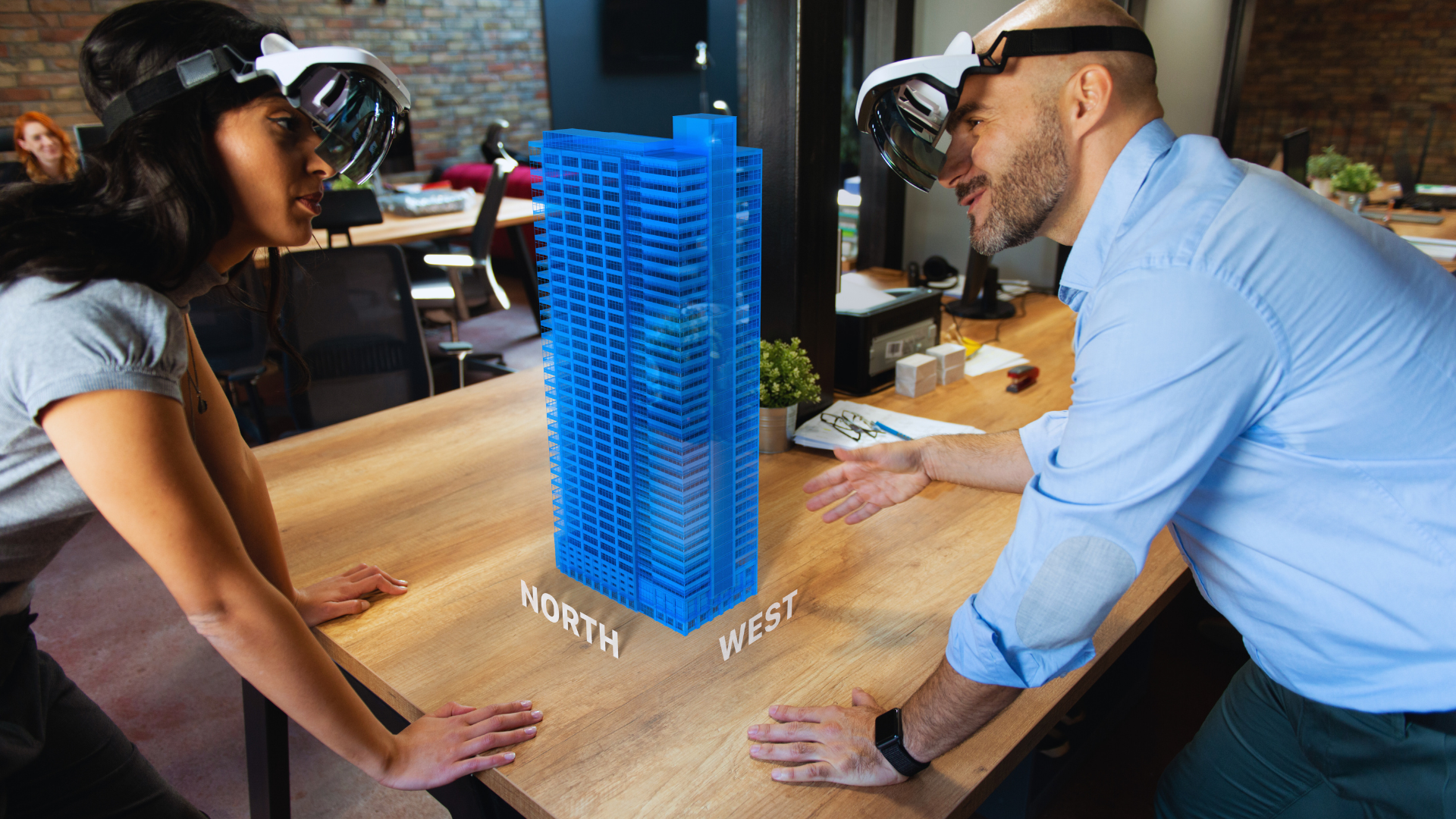
Augmented Reality (AR) and Virtual Reality (VR) are at the forefront of technological innovation, transforming how individuals interact with both the real world and virtual environments. These immersive experiences offer new dimensions in gaming, education, and professional training, making the once unimaginable a tangible reality.
As AR overlays digital information onto the physical world, users enjoy enhanced engagement without losing touch with their surroundings. In contrast, VR immerses users in entirely virtual environments, providing a unique way to explore new realms and scenarios.
Understanding the distinctions and applications of AR and VR is essential for anyone looking to grasp the future of technology. With numerous industries adopting these technologies, the potential for growth and innovation continues to expand.
Understanding AR and VR Technologies
This section covers key aspects of augmented reality (AR) and virtual reality (VR) technologies, including their fundamental concepts, core principles, differences, and the evolution of headsets.
Basics of Augmented Reality
Augmented reality overlays digital information onto the real world. This is achieved through various devices, including smartphones and AR headsets. Using the camera to capture the environment, AR applications can project 3D models and interactive features onto physical objects.
In commercial applications, AR has transformed sectors such as retail, where customers can visualize products in their own space. Popular examples include IKEA Place, which allows users to see how furniture fits in their homes. Other uses extend to education, gaming, and navigation, making AR a versatile tool for enhancing real-world experiences.
Core Principles of Virtual Reality
Virtual reality immerses users in a completely digital environment, isolating them from the physical world. This is typically achieved using head-mounted displays (HMDs) like the Oculus Rift or Vive. These devices create a sensory experience that combines visuals with audio feedback for complete immersion.
VR technology often employs hand controllers to allow users to engage with the virtual environment. This setup makes it particularly effective in gaming and training simulations. Users can interact with 3D models within the virtual space, enhancing both entertainment and educational scenarios.
Differences and Overlaps: AR vs VR
While AR enhances the real world, VR creates an entirely separate one. AR users remain aware of their surroundings, whereas VR users are transported elsewhere. The primary technologies also differ: AR usually relies on smartphones or smart glasses, while VR is centred around dedicated headsets.
Both technologies incorporate elements of mixed reality (MR), which blends physical and digital worlds in real-time. For example, VR experiences may integrate slight real-world feedback through haptic devices, bridging the gap between the two realms. The distinctions and overlaps present unique opportunities in various fields, including gaming, healthcare, and design.
Evolution of AR and VR Headsets
The development of AR and VR headsets has progressed significantly over the past decade. Early devices, such as Google Cardboard, offered limited functionality and required a smartphone. Over time, more advanced devices like the Oculus Rift and HTC Vive emerged, featuring higher resolution displays and better tracking technologies.
Today’s headsets combine portability with powerful processing capabilities, providing an enhanced user experience. Emerging technologies focus on reducing latency and improving visual fidelity, making immersive experiences more accessible to consumers. As the hardware evolves, both AR and VR gain traction in mainstream entertainment and professional applications.
Applications and Uses of AR and VR
Augmented Reality (AR) and Virtual Reality (VR) have a wide array of applications across different sectors. From enhancing gaming experiences to transforming education and healthcare, the technology reshapes how users interact with digital environments and real-world scenarios.
Gaming and Entertainment Industries
AR and VR have revolutionised gaming and entertainment. Players are no longer confined to screens; they can immerse themselves in expansive digital worlds.
Popular titles like Pokémon GO leverage AR, blending real-world locations with virtual creatures. In contrast, VR games such as Beat Saber provide an entirely virtual environment that engages players physically and cognitively.
Additionally, VR experiences aim to captivate audiences in theme parks. Rides utilise VR to create thrilling simulations, providing an immersive experience that enhances traditional attractions. These innovations facilitate interactive experiences that engage users beyond passive consumption.
Educational Impact and Immersive Learning
The educational landscape benefits significantly from AR and VR technologies. They enhance learning through immersive experiences that stimulate engagement and retention.
For instance, AR applications enable students to interact with 3D models of historical artefacts or biological structures. This interaction fosters a deeper understanding of complex subjects.
In higher education, VR can simulate real-world environments for practical training. Medical students can practice surgical procedures in a risk-free setting, improving their skills before encountering actual patients. This approach ensures a more comprehensive education, merging theory with practical application.
Healthcare and Surgical Training
In healthcare, AR and VR’s impact is profound, especially in training and surgical procedures. These technologies provide simulations for medical professionals, allowing for practice without the consequences of real-life errors.
For surgical training, VR systems offer detailed 3D visualisations of patient anatomy. Surgeons can rehearse complex procedures, improving precision and confidence. AR can overlay vital patient data during surgeries, enhancing decision-making in real-time.
Moreover, VR serves as a therapeutic tool for patients with anxiety or PTSD. Through controlled exposure to various scenarios, individuals can learn coping strategies and gradually face their fears.
Marketing and Real-World Applications
Marketing has harnessed AR’s capabilities to create engaging consumer experiences. Brands use AR to allow customers to visualise products in their environment before purchase.
For example, furniture retailers offer AR apps that enable users to see how a sofa fits in their living room. This interactive experience enhances customer confidence, reducing the risk of returns.
Additionally, VR is used in experiential marketing campaigns. Companies create immersive environments where users can connect emotionally with a brand. This level of engagement not only increases brand loyalty but also drives sales through memorable interactions.
Architecture and Digital Planning
Architecture has seen substantial advancements through AR and VR applications. These technologies assist architects in visualising designs before construction begins.
With AR, architects can overlay digital models onto real-world locations. This practice helps stakeholders understand the project’s impact on the environment and surrounding structures.
VR plays a crucial role in client presentations, allowing users to walk through virtual buildings. This experience enables clients to provide feedback early in the design process, ensuring alignment with their vision. By facilitating a more collaborative approach, AR and VR streamline architectural planning.
Challenges and Considerations in AR and VR
Augmented Reality (AR) and Virtual Reality (VR) present unique challenges that impact user engagement, experience, and technology development. These challenges include motion sickness, content accessibility, and technical limitations that developers must address to create effective and enjoyable applications.
User Experience and Engagement
User experience in AR and VR hinges on intuitive interfaces and immersive environments. If the technology feels cumbersome, users are less likely to engage. Many users desire a total immersion experience, but achieving this requires careful design.
Effective feedback mechanisms, clear navigation, and engaging narrative elements enhance user involvement. Developers must ensure that interactions feel natural, allowing users to easily explore virtual spaces.
Addressing user feedback during the design phase can lead to better products. A strong user experience can boost retention and satisfaction, making it crucial for developers to prioritise this aspect.
Dealing with Motion Sickness
Motion sickness is a significant barrier for AR and VR adoption. Symptoms often arise due to a disconnect between visual perception and physical sensations. Users may experience nausea, dizziness, or disorientation when the virtual movement does not align with their real-world movement.
To mitigate these effects, developers focus on frame rates and responsiveness. Higher frame rates can create smoother experiences, reducing the likelihood of discomfort.
Incorporating user controls that allow for gradual movement can help as well. Teaching users how to acclimatise themselves is another strategy to combat motion sickness effectively.
Content Accessibility and Creation
Creating accessible content is essential for reaching broader audiences. It is vital that applications cater to users with disabilities. This includes providing alternative options for interaction, such as voice commands and adaptable controls.
Furthermore, limited content availability can restrict user engagement. Developers must prioritise creating diverse and high-quality content that appeals to various demographics.
Collaboration with content creators is important to ensure varied narratives and experiences. By using established guidelines for accessibility, the chance to engage more users increases.
Technical Limitations and Developments
Technical limitations pose challenges in AR and VR implementations. Hardware capabilities, such as processing power and battery life, can hinder performance and development. As technology progresses, these limitations are gradually being addressed, but developers must remain aware of current capabilities.
Additionally, software compatibility issues can arise. Ensuring that applications function seamlessly across different devices is crucial for user satisfaction.
Advancements in technology, such as improved graphics and haptic feedback, are on the horizon. These developments promise enhanced immersive experiences, which are essential for the evolution of AR and VR environments.
The Future of XR: Trends and Predictions
The landscape of extended reality (XR) is evolving rapidly, with significant advancements anticipated in mixed reality, augmented reality (AR), and virtual reality (VR). Key trends are expected to shape user interactions and digital content experiences.
The Rise of Mixed Reality and the Metaverse
Mixed reality (MR) is poised to play a crucial role in blending physical and digital environments. As platforms like Microsoft HoloLens enhance capabilities, they allow users to interact with holograms in real-time.
The concept of the metaverse, a collective virtual shared space, is driving interest in MR technologies. It offers opportunities for social interaction, work collaboration, and immersive gaming experiences. Digital content creation tools will likely proliferate, enabling users to craft their own environments.
With the rise of MR, educational institutions and businesses may adopt these technologies for training and collaboration, leading to increased productivity and experience-based learning.
Advancements in AR Applications
AR applications continue to transform daily interactions through practical and entertaining use cases. Tools like Snapchat filters have popularised AR, allowing users to modify their appearance in real time.
Applications like Pokémon GO have demonstrated the potential of AR in gaming, blending the physical world with immersive experiences. Retailers are adopting AR to enhance customer interactions. Virtual try-ons and product visualisations improve shopping experiences by providing interactive previews.
Moreover, advancements in computer vision are enhancing AR’s accuracy and responsiveness. This improvement results in more engaging user experiences and practical applications in various sectors, including healthcare, education, and entertainment.
The Evolution of VR Devices
The evolution of VR devices is at the forefront of XR developments. Companies like Sony and Oculus are consistently releasing upgraded hardware, such as PlayStation VR and Meta Quest. These devices now offer improved graphics, comfort, and tracking capabilities.
As VR technology expands, affordability becomes key. Lower-priced devices are expected to enter the market, democratizing access to immersive experiences. This trend can potentially increase user bases and foster greater innovation in content creation.
Wireless technology advancements also contribute to a more immersive experience by enhancing mobility. More realistic environments will lead to broader adoption in personal entertainment, gaming, and even psychotherapy.
Social Implications and Ethical Considerations
As XR technology advances, it raises various social and ethical considerations. Privacy remains a primary concern, as AR applications often rely on sensitive user data to function effectively. Ensuring that users’ information is protected will be essential.
Furthermore, the impact of XR on social interactions warrants attention. Users may favour virtual interactions over in-person connections, potentially affecting social skills.
Addressing these implications will require thoughtful discussions among developers, educators, and policymakers. Developing ethical frameworks and user guidelines can help mitigate risks while enhancing the benefits of XR technologies in daily life.