
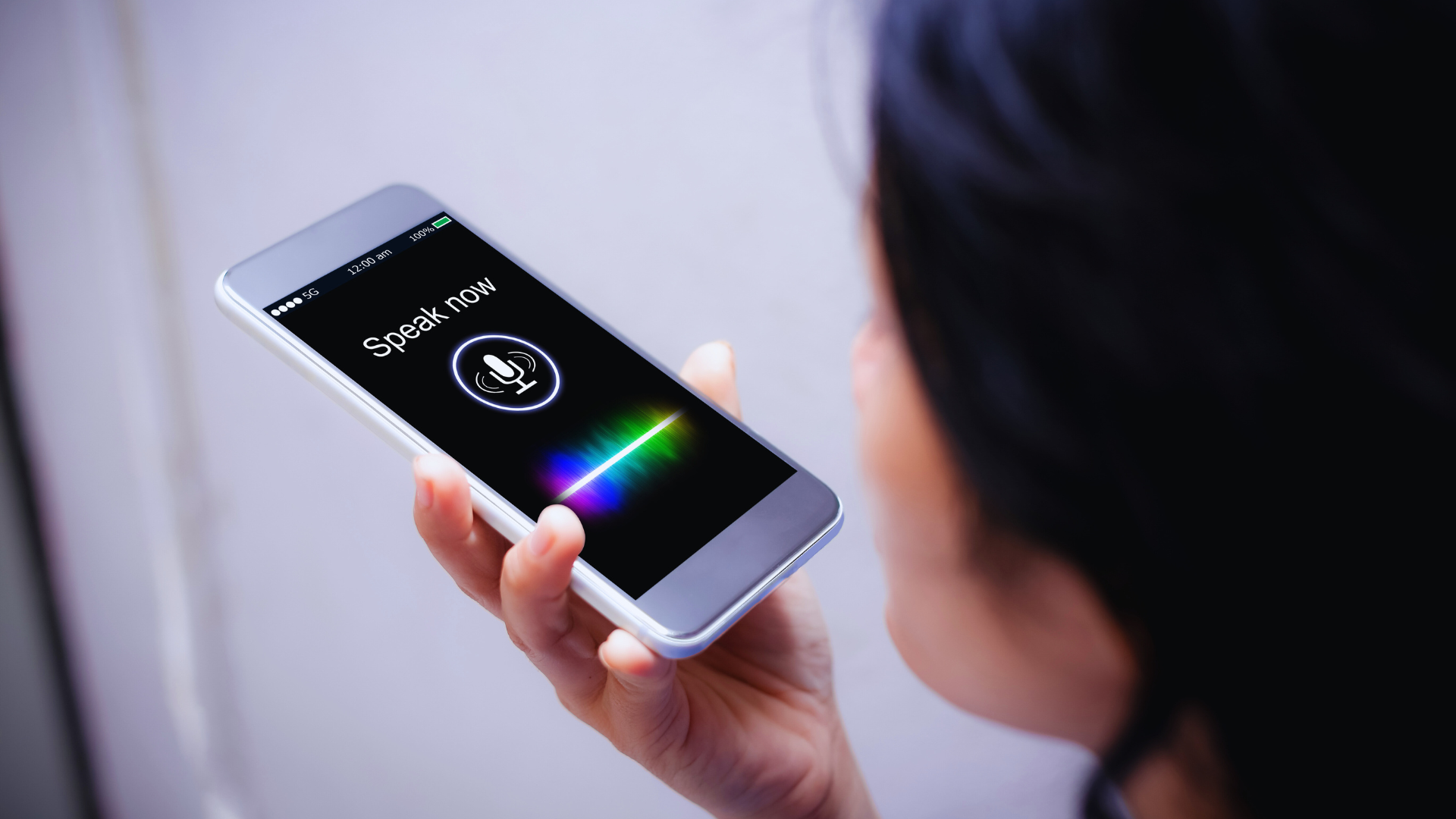
Voice recognition technology has evolved significantly over the past decade, transforming the way people interact with devices. From simple voice commands to sophisticated voice assistants, the capability to understand and process human speech is advancing rapidly. By harnessing artificial intelligence and machine learning, the future of voice recognition promises to enhance user experiences across various platforms, making communication more seamless and efficient.
The increasing accuracy of speech recognition systems is driving their integration into everyday applications. Users can now control smart home devices, navigate through digital platforms, and access information more intuitively using their voices. This trend reflects a broader shift towards a hands-free lifestyle, making technology more accessible and user-friendly for everyone.
As voice assistants become more omnipresent, they are also learning to adapt to individual user preferences. This personalisation allows for a more tailored interaction, where services can respond smarter and more accurately to commands. Embracing these advancements will likely reshape the relationship between humans and technology in the coming years.
Evolution of Voice Recognition Technology
Voice recognition technology has undergone significant advancements over the years, driven by key innovations and milestones. Its evolution is marked by the interplay of various techniques such as natural language processing and machine learning.
Historical Milestones
The journey of voice recognition began in the 1950s with the development of early speech recognition systems. One of the first was the “Audrey” system, created by Bell Labs, which could recognise digits spoken by a single voice.
In the 1980s, the advent of continuous speech recognition transformed the field. Systems like Dragon Dictate allowed users to speak naturally without pausing between words. The 1990s saw the introduction of large vocabulary continuous speech recognition (LVCSR), enhancing the range of words recognised.
The 2000s marked a turning point with the integration of machine learning algorithms. These algorithms enabled systems to learn from vast datasets, significantly improving accuracy and adaptability. This set the stage for the sophisticated applications seen today.
Key Technologies and Innovations
Natural language processing (NLP) plays a crucial role in voice recognition systems. It allows machines to understand and interpret human language effectively. NLP techniques have led to better context awareness, making interactions more seamless.
Deep learning has revolutionised the way speech is processed. By using neural networks, systems can analyse audio data more holistically. This results in improved speech-to-text abilities, reducing errors in transcription and expanding vocabulary recognition.
Artificial intelligence (AI) further enhances voice recognition by enabling contextual understanding. AI algorithms can parse user intent and emotional tone, allowing for more human-like interactions. These technologies work in tandem to create more responsive and intelligent voice systems.
Rise of Voice Assistants
The emergence of smart devices has propelled voice recognition technology into homes globally. Assistants like Amazon Alexa, Google Assistant, and Apple Siri popularised voice commands for daily tasks.
These voice assistants rely on sophisticated speech recognition models and large datasets for training. They employ machine learning to continually improve their responses based on user interactions. This has made them integral to smart home ecosystems, allowing seamless control of devices.
As these assistants evolve, they leverage advanced natural language processing to understand the context better. Consequently, users experience more personalised and efficient interactions. The rise of voice assistants marks a significant milestone in the accessibility and utility of voice recognition technology.
Applications of Voice Recognition Technology
Voice recognition technology has made significant strides in various sectors. Its adaptability is evident in consumer products, healthcare systems, and industrial environments. Each application demonstrates unique functionalities and benefits.
Consumer Applications
Voice recognition technology is embedded in numerous consumer applications. Smart speakers, such as Amazon Alexa, Google Assistant, and Apple’s Siri, allow users to interact with their devices through simple voice commands. This interaction enhances user experience by enabling hands-free control of smart home devices, music playback, and information retrieval.
In addition, voice interfaces have transformed communication with smartphones and other gadgets. Features like dictation, commands for navigation, and accessibility options make technology more intuitive. This technology promotes increased productivity by allowing users to perform tasks quickly without physical input. It also accommodates those with mobility challenges, ensuring inclusivity.
Healthcare Sector
In healthcare, voice recognition technology has broadened its applications significantly. Professionals use voice-to-text software for medical transcription, simplifying the documentation process. This approach enhances efficiency and accuracy, allowing healthcare providers to focus more on patient care.
Moreover, voice technology facilitates communication between clinicians and patients. Systems can recognise patient requests or symptoms, ensuring relevant data is captured quickly. This not only saves time but also reduces the risk of errors in medical records. Integration with electronic health records (EHR) further streamlines workflows, making healthcare delivery more effective.
Industrial Applications
The industrial sector embraces voice recognition technology to increase productivity and safety. Workers can utilise voice commands to operate machinery, retrieve instructions, or monitor systems. This hands-free approach enhances efficiency, enabling employees to multitask without needing to divert their attention.
Voice technology also plays a crucial role in logistics and warehousing. For instance, voice-directed picking systems guide workers through the retrieval process, minimising errors and optimising inventory management. This application leads to improved workflow and reduced training time for new staff. The incorporation of voice recognition in industrial environments signifies a shift towards more automated and efficient operations.
Challenges and Considerations
The advancement of voice recognition technology presents several challenges that must be addressed. Key issues include security and privacy risks, the ability to handle varying speech patterns, and the integration of this technology into diverse environments.
Security and Privacy Concerns
Security is paramount when it comes to voice recognition systems. These systems often process sensitive information, making them targets for cyberattacks.
Biometric implications of voice data can pose significant risks. If voice prints are compromised, they cannot be changed like passwords. This vulnerability raises concerns over identity theft and unauthorized access to personal accounts.
Moreover, privacy issues arise as some consumers remain sceptical about how their data is collected and used. Businesses must invest in robust encryption and transparent policies to protect user information and build trust.
Speech Variation Handling
Voice recognition systems must effectively manage diverse speech variations. Accents, dialects, and speech impairments can significantly affect recognition accuracy.
To be effective, these systems require extensive training with diverse linguistic datasets. Without this, the technology may struggle to interpret commands in customer service settings, leading to errors and frustration.
The implementation of adaptive algorithms can improve recognition capabilities. Such algorithms enable systems to learn from user interactions, gradually enhancing accuracy over time.
Integration into Diverse Environments
The integration of voice recognition technology into various settings poses unique challenges. Environments with background noise can significantly disrupt performance.
For instance, a busy café or bustling office may hinder a system’s ability to understand commands. Noise-cancelling features are crucial for these scenarios, ensuring clarity and accuracy.
Additionally, users may interact with voice recognition technology in varying contexts, which requires adaptability. Systems must function seamlessly across different devices, from smartphones to smart home assistants, to ensure a consistent user experience.
The Future of Voice Recognition
Voice recognition technology is poised for significant transformations driven by advancements in artificial intelligence and machine learning. These developments promise to enhance the accuracy and usability of voice interfaces across various applications. Additionally, the integration of voice technology into daily life and society will reshape interactions with devices and services.
Advancements in AI and Machine Learning
Recent improvements in AI and machine learning are the backbone of future voice recognition systems. Enhanced natural language processing (NLP) capabilities are allowing devices to comprehend context and nuance better. This results in more accurate voice commands and responses.
Key advancements include:
- Deep Learning Models: Utilising neural networks to improve speech recognition accuracy.
- Contextual Understanding: Enabling systems to interpret commands based on prior interactions.
- Multi-lingual Support: Expanding the ability to understand and process various languages and dialects.
These technologies aim to create a seamless interaction experience for users, enabling natural conversations with devices.
Expanding Voice Technology Horizons
The scope of voice technology is broadening as it integrates into more platforms. From smart speakers to mobile devices, voice interfaces are becoming commonplace. Future developments could include integration with augmented reality (AR) and virtual reality (VR) environments.
Potential applications include:
- Healthcare: Voice recognition can assist with patient documentation and data entry, improving efficiency.
- Automotive: In-car voice systems offer safer navigation and control features.
- Smart Homes: Voice-controlled devices streamline home automation.
In each case, enhanced voice technology will offer convenience, control, and an intuitive interaction method.
Impact on Society and Daily Life
As voice recognition technology advances, its impact on everyday activities will increase. It has the potential to revolutionise how people interact with technology. Accessibility will improve, allowing users with disabilities to engage more easily with devices.
Additionally, the proliferation of voice assistants can reshape:
- Communication: Voice-to-text features will streamline messaging and documentation.
- Customer Service: Businesses will enhance user experiences through efficient call handling and support.
- Education: Voice recognition tools will aid in learning by providing interactive and personalised experiences.
These changes will significantly alter the landscape of daily interactions, making technology more integrated and responsive.