
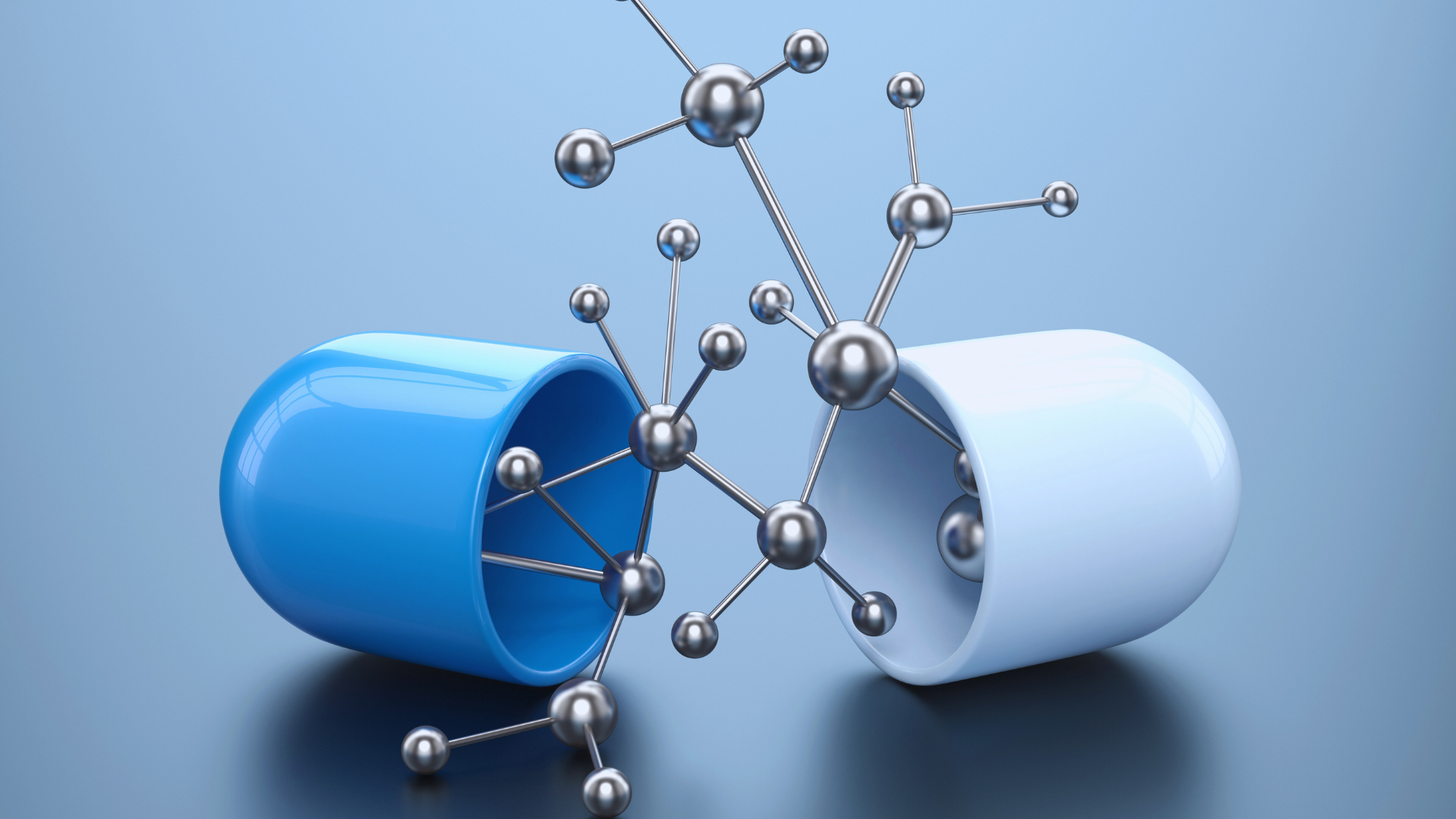
Nanotechnology is ushering in a new era in medicine, offering innovative solutions that were previously unimaginable. This technology allows for the development of precise drug delivery systems, targeted therapies, and advanced diagnostics that enhance patient outcomes and streamline treatments. As researchers explore the nanoscale, they uncover the potential to combat diseases with unprecedented accuracy.
In the realm of nanomedicine, particles engineered at the molecular level can revolutionise how therapies are administered. By manipulating materials at this tiny scale, scientists are able to create vehicles that can transport medications directly to affected cells, minimising side effects and maximising therapeutic efficacy. This targeted approach not only improves treatment effectiveness but also opens doors to personalised medicine.
As nanotechnology continues to evolve, its integration into medical practices could transform healthcare delivery, promising a future where diseases are detected and treated more effectively than ever before. The implications for patient care and medical innovation are profound, making it an exciting field to watch.
Fundamentals of Nanotechnology in Medicine
Nanotechnology plays a vital role in modern medicine, revolutionising the way diseases are treated and diagnosed. This section explores its evolution, the types of nanoparticles used, and the critical aspects of biocompatibility and safety.
Evolution and Scope
Nanotechnology has been developing for several decades, originating from advancements in materials science and physics. Its application in medicine began in the early 2000s, with a focus on targeted drug delivery systems.
Researchers have since expanded the scope to include diagnostics, imaging, and regenerative medicine. For instance, nanosensors can detect biomarkers at extremely low concentrations, proving invaluable for early disease diagnosis.
The versatility of nanoparticles allows them to interact directly with biological systems, enhancing therapeutic efficacy. As research continues, the potential for nanotechnology to transform medicine remains significant.
Types of Nanoparticles
Nanoparticles vary widely in size, shape, and composition, influencing their biological interactions. Common types include liposomes, dendrimers, and metallic nanoparticles.
- Liposomes: These spherical vesicles can encapsulate drugs, enhancing bioavailability and reducing side effects.
- Dendrimers: Highly branched synthetic polymers, they facilitate targeted delivery of pharmaceutical agents due to their unique structure.
- Metallic Nanoparticles: Gold and silver nanoparticles possess unique optical and electronic properties, enabling their use in imaging and therapy.
The choice of nanoparticle depends on the intended application, balancing factors like stability, release kinetics, and targeted delivery efficiency.
Biocompatibility and Safety
Biocompatibility is crucial for the successful integration of nanoparticles in medical applications. It refers to the ability of a material to perform safely within the body without causing adverse reactions.
Nanoparticles must undergo rigorous testing to assess their toxicity. This includes evaluating cellular uptake, potential immunogenic responses, and long-term effects.
Safety protocols involve using biodegradable materials that minimise accumulation in tissues. Understanding the relationship between nanoparticle characteristics and their biological interactions is essential to ensure patient safety while maximising therapeutic benefits.
Applications in Diagnosis and Disease Monitoring
Nanotechnology significantly enhances the capabilities of medical diagnostics and disease monitoring. It introduces innovative tools and methods for improved accuracy in disease detection and real-time monitoring of health conditions.
Enhanced Imaging Techniques
Advanced imaging techniques leverage nanotechnology to enhance the clarity and precision of images. Nanoscale agents, such as quantum dots and gold nanoparticles, act as contrast agents in medical imaging, including MRI, CT scans, and PET scans. These imaging agents improve the visibility of tissues and blood vessels, enabling early identification of abnormalities.
The small size of nanoparticles allows them to target specific cells and tissues, thereby providing clearer images of areas affected by diseases such as cancer. Moreover, they facilitate the capture of real-time physiological processes, offering insights that traditional imaging methods may overlook.
Biomarkers and Nanosensors
Nanosensors equipped with nanotechnology can detect biomarkers-substances indicative of disease-in extremely low concentrations. These sensors enhance diagnostic capabilities for conditions such as cancer and infectious diseases. For instance, nanoplasmonic sensors can identify cancer antigens with high sensitivity, reducing the chances of false negatives.
The integration of biomarkers and nanosensors allows for rapid and accurate assessment of health conditions. This technology not only streamlines the diagnostic process but also enables continuous monitoring of disease progression, leading to timely medical interventions.
Early Disease Detection
Nanotechnology plays a vital role in the early detection of diseases, which is crucial for successful treatment outcomes. Innovations include using targeted nanoparticles designed to bind specifically to cancer cells, facilitating their identification at an early stage. This specificity allows for more accurate and less invasive diagnostic tests.
Additionally, advances in lab-on-a-chip technologies utilise nanoscale devices for comprehensive analysis of biological samples. These devices provide immediate results, which can be pivotal for conditions where time is essential, such as septic infections or cancer. Early diagnosis through nanotechnology can lead to better prognosis and enhanced patient care.
Therapeutic Strategies and Drug Delivery
Nanotechnology plays a vital role in enhancing therapeutic strategies and improving drug delivery systems. This section addresses how specific techniques can increase the effectiveness of treatment, particularly in oncology and regenerative medicine.
Targeted Drug Delivery Systems
Targeted drug delivery systems utilise nanoparticles to direct therapeutic agents precisely to diseased cells, minimising off-target effects. This strategy is especially beneficial in cancer treatment, where traditional therapies often damage healthy tissues.
Nanoparticles can be engineered to recognise specific biomarkers on cancer cells. This selectivity enables higher concentrations of drugs at tumour sites, improving efficacy while reducing systemic side effects. Techniques such as ligand-based targeting enhance the precision of these systems, allowing for tailored treatment plans.
Regenerative Medicine and Therapy
Nanotechnology plays an important role in regeneration therapy and medicine, offering innovative solutions for tissue engineering and cell repair. Nanomaterials can support cellular functions by mimicking the extracellular matrix’s structure, promoting cell adhesion and growth.
These materials can also be loaded with growth factors or drugs that accelerate healing processes. For instance, nanocarriers delivering specific agents can stimulate stem cell differentiation, leading to enhanced tissue regeneration. This approach opens new avenues for treating degenerative diseases and injuries.
Nanocarriers and Controlled Release
Nanocarriers are essential for the controlled release of therapeutics, ensuring a steady and sustained therapeutic effect. They can encapsulate drugs and release them in response to specific stimuli, such as pH changes or temperature fluctuations.
This controlled release mechanism optimises drug bioavailability and reduces the frequency of dosing. Various types of nanocarriers, including liposomes and polymeric nanoparticles, have been developed for diverse applications. Their versatility allows for customisable delivery systems tailored to individual patient needs, improving overall treatment outcomes.
Challenges and Future Perspectives
Nanotechnology presents both significant opportunities and obstacles in the medical field. Challenges include ethical considerations, the pace of advancements, and the potential for integration with artificial intelligence, each influencing the future of patient care and clinical trials.
Ethical Considerations
The introduction of nanotechnology in medicine raises various ethical issues. Concerns surrounding patient safety, privacy, and informed consent are paramount. As nanoscale materials interact with biological systems, long-term effects remain uncertain, leading to apprehensions among healthcare providers and patients alike.
Regulatory frameworks must evolve to address these concerns. Current guidelines may be insufficient for evaluating the safety and efficacy of nanomaterials. Ethical implications also extend to equitable access; disparities in technology availability can exacerbate existing healthcare inequalities. Stakeholders must consider these factors to ensure responsible development and deployment.
Advancements in Nanotechnology
Ongoing advancements in nanotechnology are pivotal for transforming treatment methodologies. Innovations such as targeted drug delivery systems and nanoscale diagnostic tools improve accuracy in clinical trials. These technologies enhance the ability to treat specific ailments while minimising side effects.
Researchers are exploring various materials for their potential in medical applications. Lipid nanoparticles, for instance, have gained attention for their role in mRNA vaccine delivery. Continuous improvements in fabrication methods are enabling the development of more efficient and cost-effective solutions, impacting patient care positively.
Integration with Artificial Intelligence
The integration of nanotechnology with artificial intelligence (AI) presents novel opportunities in medicine. AI can analyse data from nanoscale sensors to provide real-time insights into patient health, enabling personalised treatment plans. This synergy enhances the precision of diagnoses and improves clinical outcomes.
Moreover, AI algorithms can optimise nanomaterial designs for specific therapeutic uses, streamlining the research and development process. Leveraging machine learning can accelerate the pace of discovery, allowing healthcare professionals to address complex medical challenges more effectively. This merger could redefine patient care, enhancing therapeutic efficacy and safety.